Spring
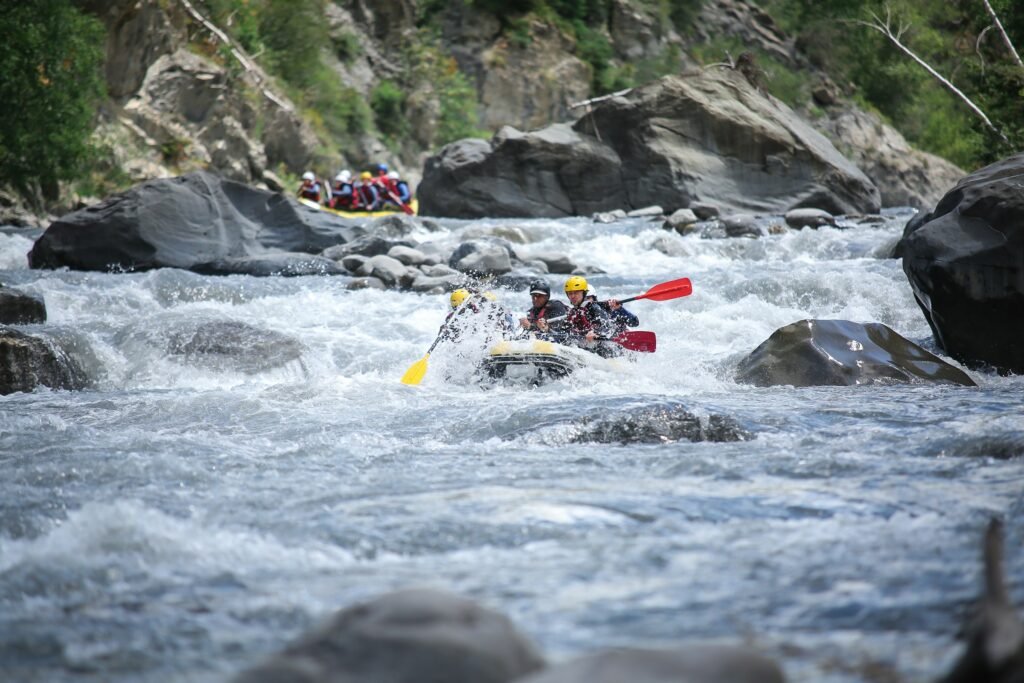
Mar-MayLower, more technical flows build through spring; April–May offer warm weather and reliable expedition conditions.
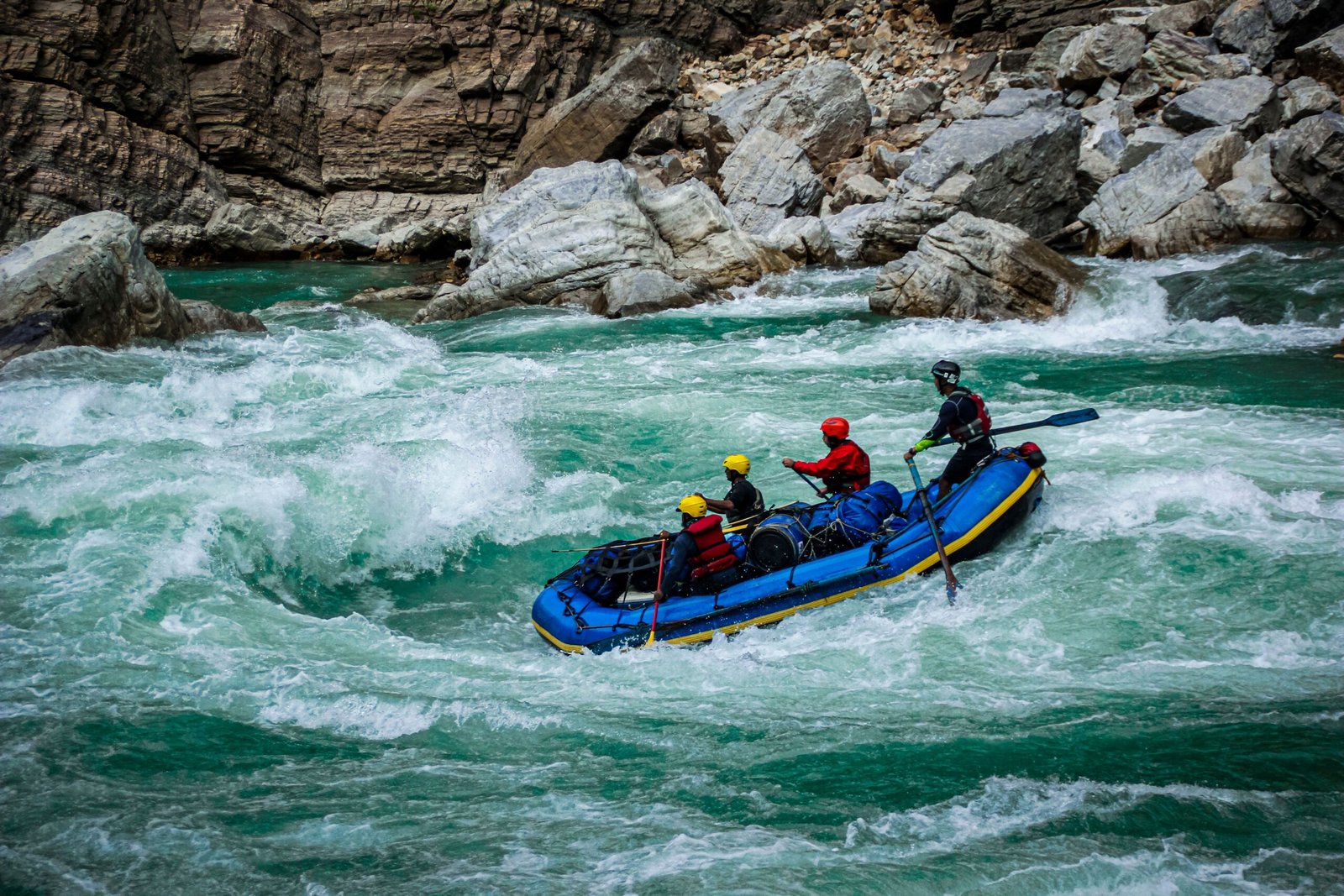
Raft 270 kilometres across Nepal on the legendary “River of Gold,” progressing from mountain valleys to tropical lowlands through huge rapids, remote gorges and nights camped on white-sand beaches.
The Sun Koshi is less a rafting trip than a journey across Nepal by river. From Dolalghat, the water carries you east through deep valleys, forested gorges and increasingly remote country, with roads and settlements gradually giving way to sandy beaches and long stretches of wilderness.
Over roughly 270 kilometres, calm water is broken by powerful Grade IV–V rapids, named Meat Grinder, Harkapur II and Jaws hinting at the river’s more serious side. Most expeditions take eight to ten days, camping on broad riverbanks each evening before pushing farther downstream the following morning.
What makes the Sun Koshi memorable is the scale of the journey. The landscape becomes warmer and greener as the river descends toward Chatara, and each day feels further removed from where the expedition began. It is wild water, certainly, but also one of Nepal’s great overland journeys—only here, the road is a river.
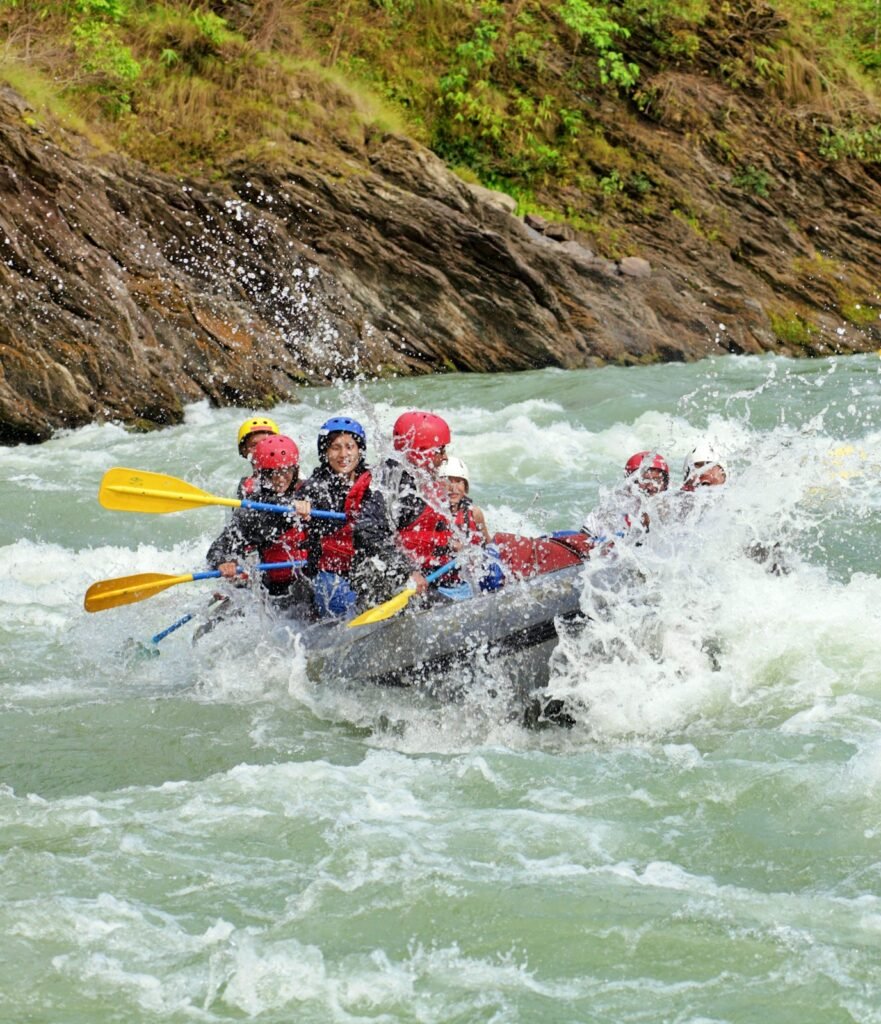
Big-water rapids and multi-day river camping.
Demanding rapids, long river days and remote camping.
Drive from Kathmandu to the put-in at Dolalghat. The opening section is deliberately easier, with smaller Grade II–III whitewater. Pass Kooyeh Bhir before camping several kilometres upstream of Meat Grinder.
The whitewater begins to build. Run Meat Grinder, identified in NTB's guide as an early Class III rapid, before reaching the confluence with the Tama Koshi. Camp upstream of Punch & Judy.
Continue through increasingly substantial whitewater. The valley repeatedly narrows and opens, with river beaches providing lunch and overnight camps.
The river enters narrower country. Below the Likhu Khola confluence comes Likhu Rapid, a long Class IV section, before the expedition camps near Harkapur.
One of the major whitewater days. After scouting conditions, tackle Harkapur II, then continue downstream toward the meeting of the Sun Koshi and Dudh Koshi. The valley begins broadening after the confluence.
Rapids become frequent again. Jaws is particularly notable for a large hydraulic hole at some river levels. After Rhino Rock, the expedition enters the forested Jungle Corridor.
Move through a heavily forested gorge. Waterfalls descend toward the river and the night's camp is traditionally made not far upstream of Big Dipper.
Tackle Big Dipper, traditionally one of the final major rapids. The river then begins to relax considerably. Toward the end of the day the expedition reaches the major eastern confluence zone where the Arun, Tamur and Sun Koshi come together into the Sapta Koshi system.
A much gentler final stage. Pass the important Hindu pilgrimage area at Barah Chhetra before continuing toward the classic take-out at Chatara.
Lower, more technical flows build through spring; April–May offer warm weather and reliable expedition conditions.
Monsoon rain dramatically increases river volume; July–August can become extremely powerful and unpredictable.
Classic Sun Koshi conditions with strong post-monsoon volume, big waves and more stable weather.
Flows decline considerably; December trips are possible, but mid-winter is not the normal full-expedition season.
Check current Sun Koshi flow and scheduled expedition departures before booking.
Sun Koshi is a remote, self-contained rafting expedition rather than a resort-based activity. Expect several consecutive days on the water, basic beach camping and limited access to roads, shops, electricity or mobile signal. Choose an established expedition operator with qualified river guides, rescue capability and appropriate safety equipment.
Current permits and rafting regulations may change. Always verify before booking.