
Scuba Diving in India, A Journey Through Five Underwater Worlds
Beneath India’s seas, entire worlds unfold — from coral gardens teeming with marine life to rocky reefs and volcanic slopes. A journey through five remarkable diving destinations reveals just how extraordinary life underwater can be.
Lakshadweep - Along the Edge of a Coral Atoll
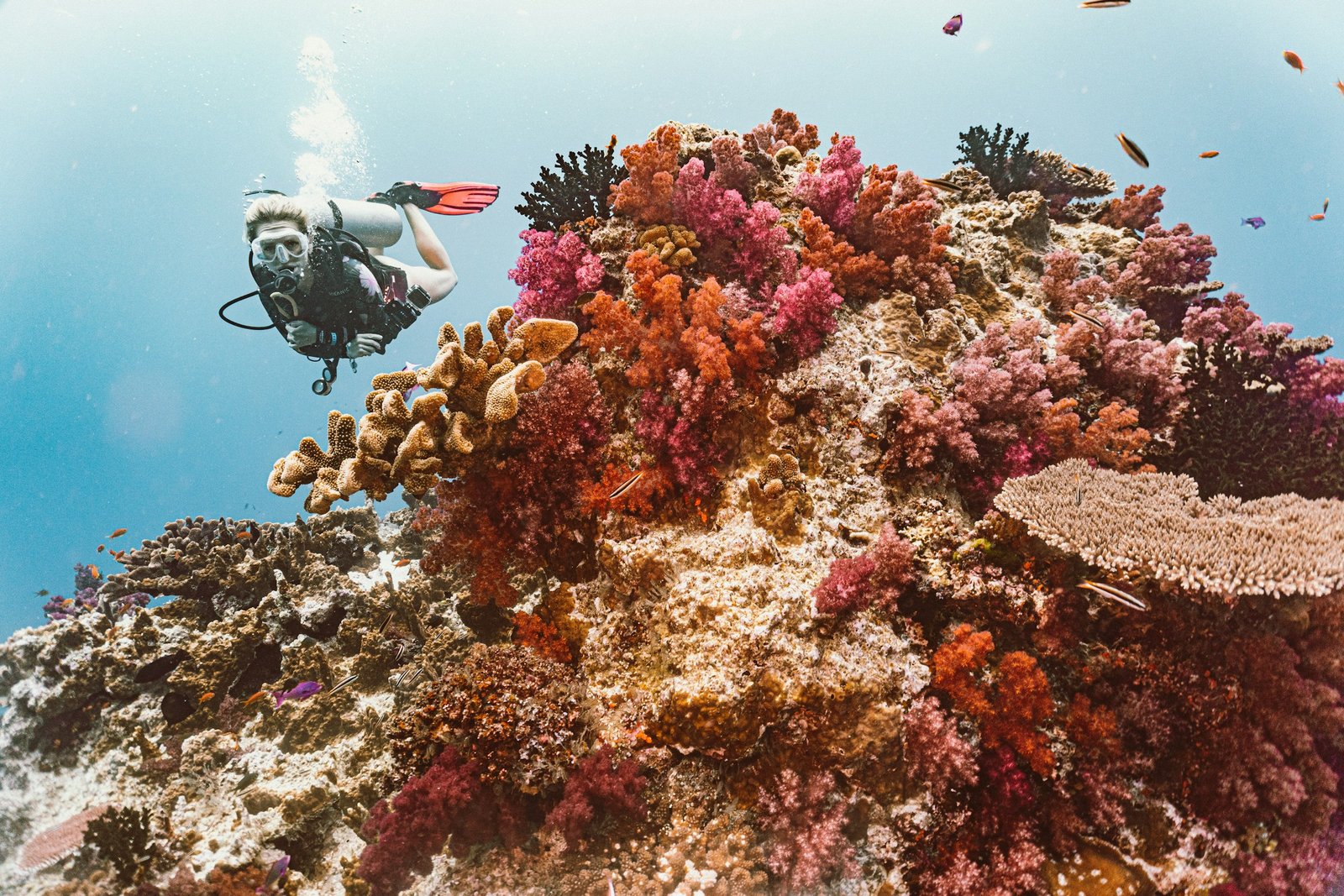
In Lakshadweep, coral is not simply something found beneath the island. It is part of what has built the island itself. Life flourishes along the delicate boundary between shallow lagoons and the open Arabian Sea.
Parrotfish move through coral gardens, turtles glide above the reef and schools of tropical fish gather along its edges. Beyond the sheltered lagoons, the seafloor falls away into deeper water, where reef sharks and rays may appear. It is an extraordinary underwater landscape, shaped by coral and the constant exchange between lagoon and ocean.
Explore our Lakshadweep Scuba Diving Guide for dive sites, depths and seasonal conditions.
Havelock Island - Among the Coral Gardens of the Andamans
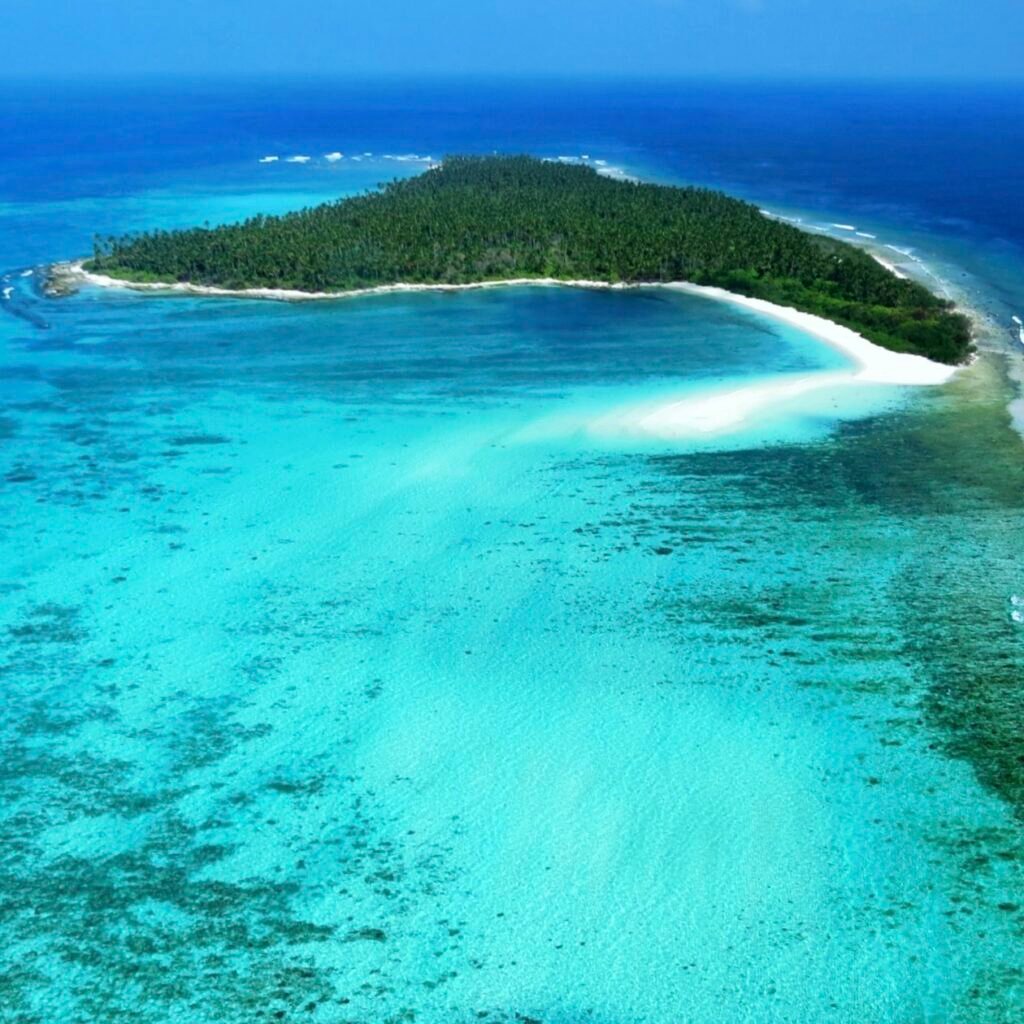
The waters around Havelock Island, officially Swaraj Dweep, contain some of India’s most varied recreational diving environments. Beneath the turquoise waters, coral gardens give way to a more dramatic underwater world.
Clownfish shelter among anemones, fusiliers move in shimmering schools and trevallies patrol the deeper reef. Farther offshore, submerged formations such as Dixon’s Pinnacle attract dense gatherings of fish, while reef sharks occasionally emerge around the rocky terrain. Few places in India offer such variety within a single diving destination.
Explore our Havelock Scuba Diving Guide for dive sites, depths and the best diving season.

Netrani Island - Life Around an Isolated Rocky Reef
Some 19 kilometres off Karnataka’s coast, Netrani Island rises from the Arabian Sea as a small, rocky outcrop. Above water, there is little to suggest the activity below. Underwater though, rocky formations and coral-covered surfaces provide shelter for an abundance of marine life
Parrotfish graze among coral patches, moray eels retreat into narrow crevices and schools of fish drift beyond the reef. Occasionally, barracudas and rays emerge from the blue. Surrounded by open water, Netrani feels wonderfully removed from the mainland, where every dive offers the possibility of an unexpected encounter.
Explore our Netrani Island Scuba Diving Guide for dive sites, depths, marine life and seasonal conditions.
Puducherry - Where Marine Life Finds New Homes
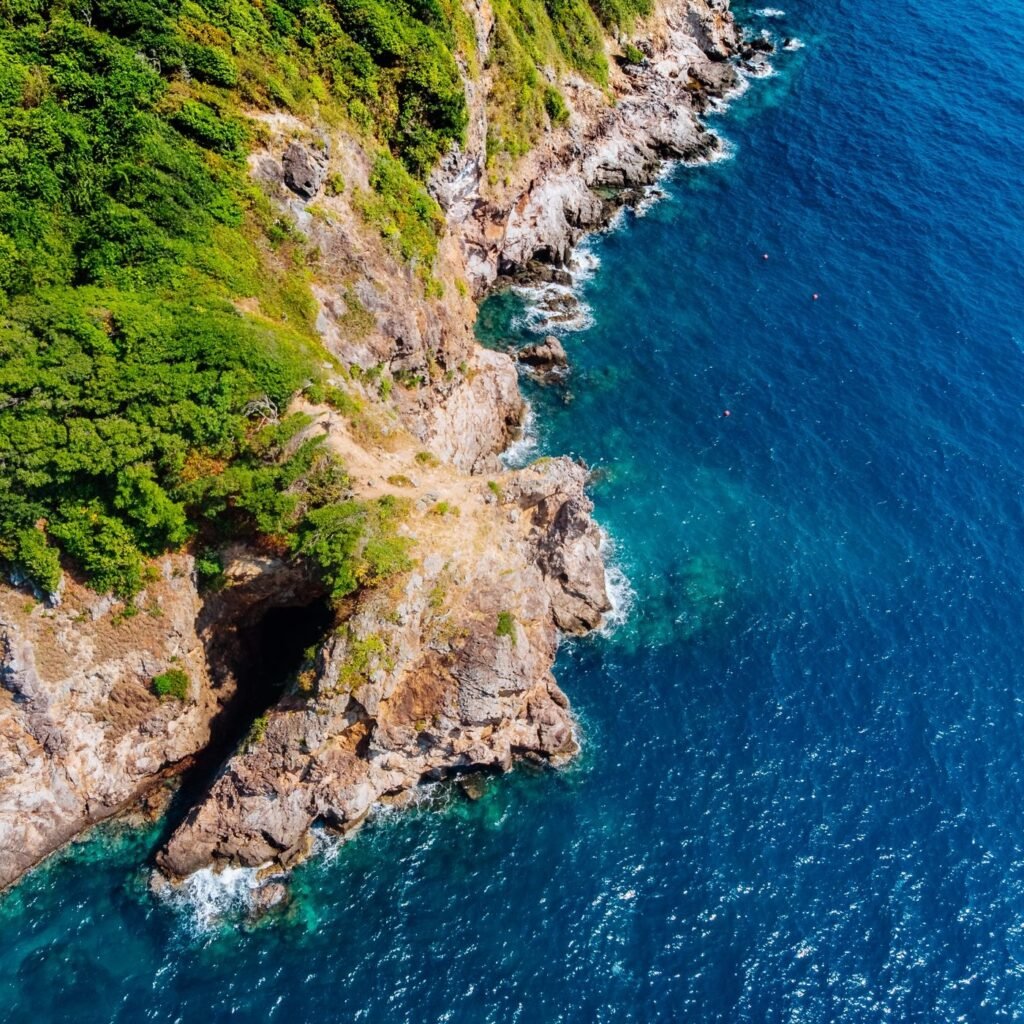
Not every underwater habitat begins as a natural coral reef. Off the coast of Puducherry, submerged structures have become gathering places for marine life.
At Temple Reef, artificial reef installations provide surfaces and shelter for fish and other organisms, gradually developing into an underwater ecosystem. Batfish gather around structures, Lionfish shelter near ledges, while Moray Eels and Octopus hide among the darker spaces.
Beyond these artificial habitats, natural reefs reveal sea fans, schooling fish and intricate marine life. Puducherry rewards the patient diver, where the most fascinating discoveries are often hidden in plain sight.

Barren Island - Where Life Meets a Volcano
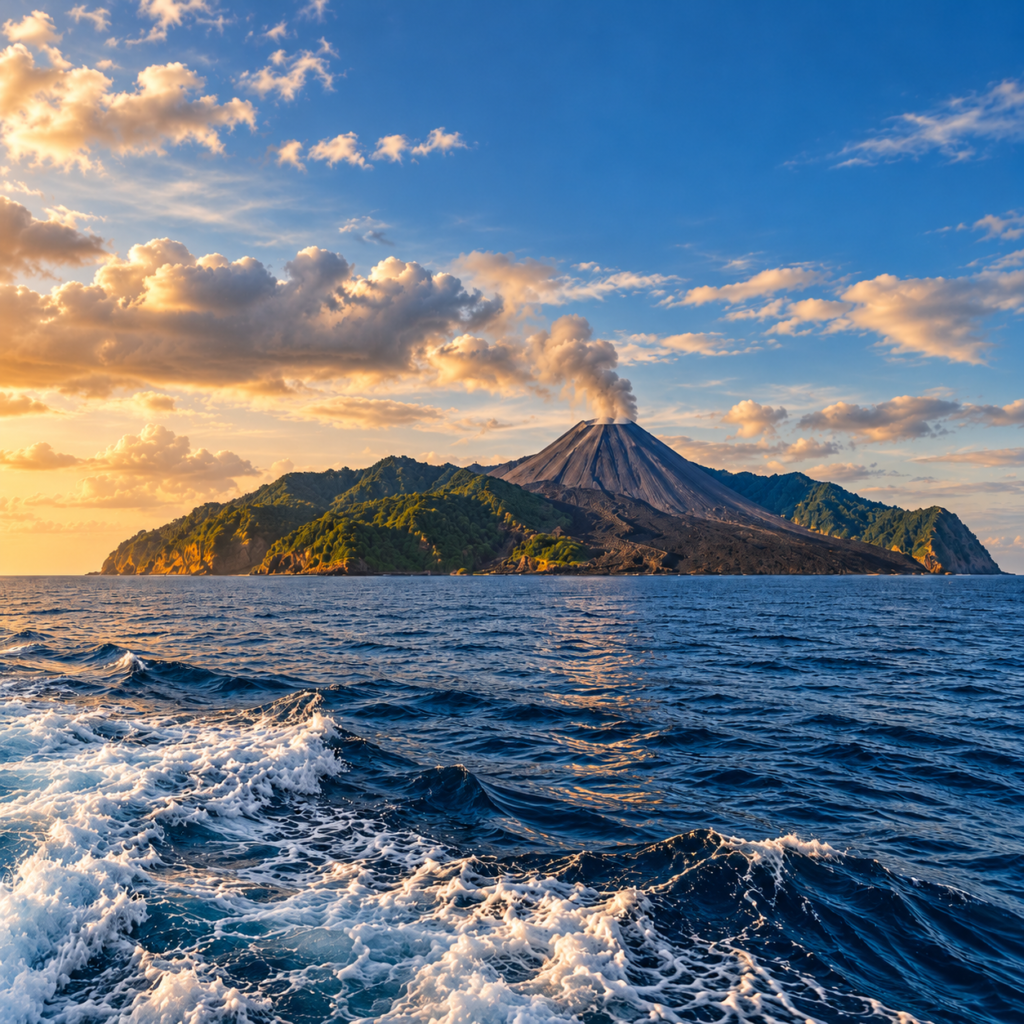
Barren Island is home to India’s only historically active volcano, rising from deep ocean water. Dark volcanic slopes plunge into the Andaman Sea, their rocky surfaces gradually reclaimed by coral and marine life.
Schools of fish gather around the formations, while the surrounding deep water holds the possibility of larger visitors. Against the stark black terrain, even the smallest reef creatures seem remarkable.
Remote and otherworldly, for experienced divers, Barren Island offers a rare glimpse of life thriving on the slopes of an active volcano.
When Is the Best Time to Go Scuba Diving in India?
Lakshadweep generally offers calmer waters and better visibility from October to May, particularly during the winter months. In the Andaman Sea, Havelock’s best diving conditions typically fall between November and April, while remote Barren Island expeditions favour the narrower February–May window.
On the southeastern coast, Puducherry follows a different pattern, with favourable conditions often occurring from February to April and September to November. Across all regions, monsoon winds, currents and changing visibility make local sea conditions just as important as the season.
Before You Dive in India
Choose the dive site, not just the destination. A shallow coral reef and a deep offshore pinnacle may require very different levels of certification and experience, even when both are reached from the same island.
Check access requirements. Lakshadweep requires an entry permit, while Barren Island trips depend on special arrangements and current restrictions. Always confirm requirements with official authorities and your operator.
Respect the reef. Avoid touching coral, disturbing marine life or collecting anything underwater. Remember that wildlife encounters are never guaranteed. A manta ray or reef shark may be memorable, but the smaller interactions within a reef can reveal just as much about the ecosystem.