
India’s Wild Side, 11 Extraordinary Wildlife Experiences
Across dense forests, remote Himalayan valleys, tidal mangroves and vast wetlands, these extraordinary wildlife experiences reveal India’s remarkable natural diversity, from elusive predators to the quieter rhythms of life in its wildest habitats.
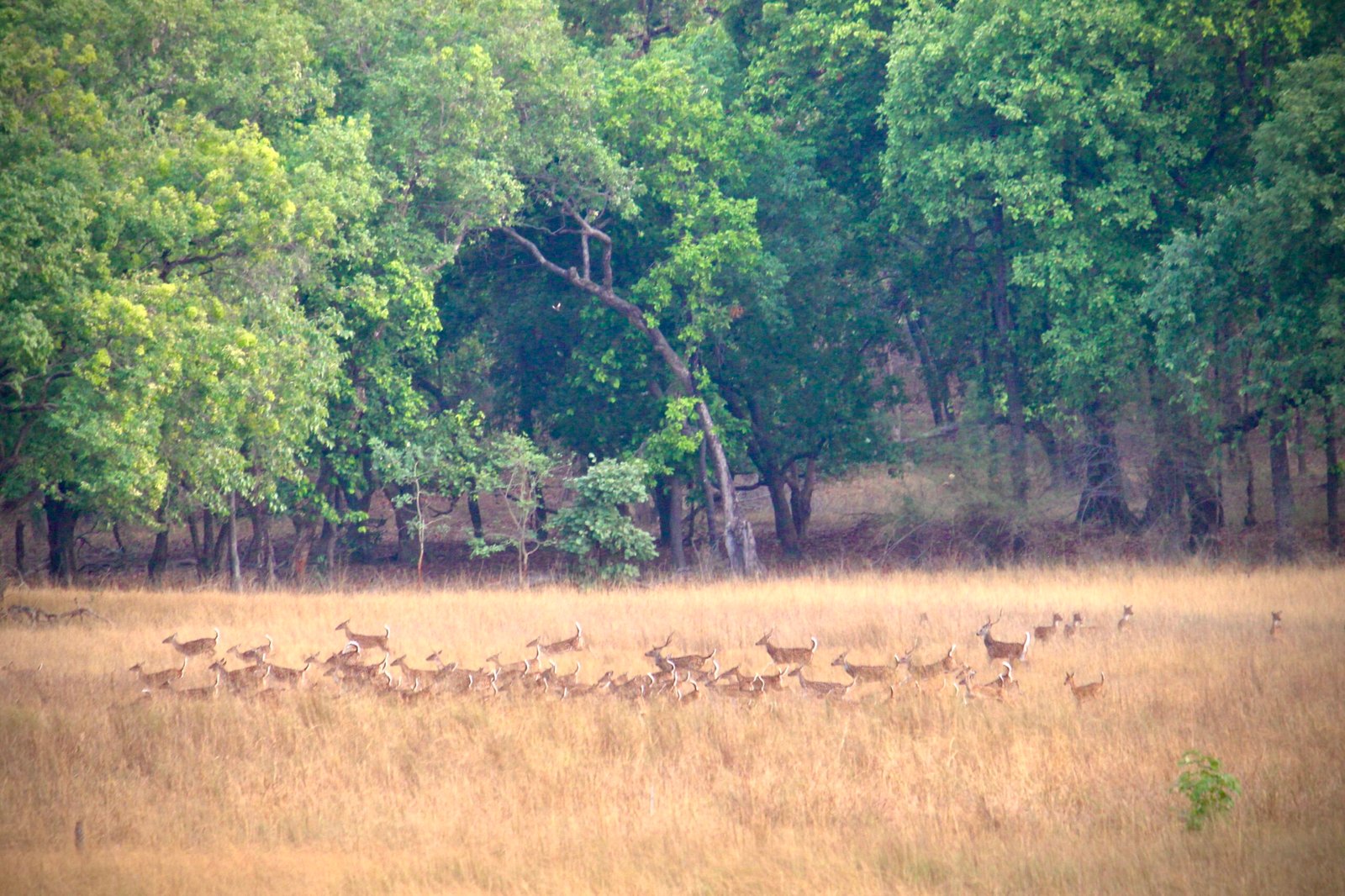
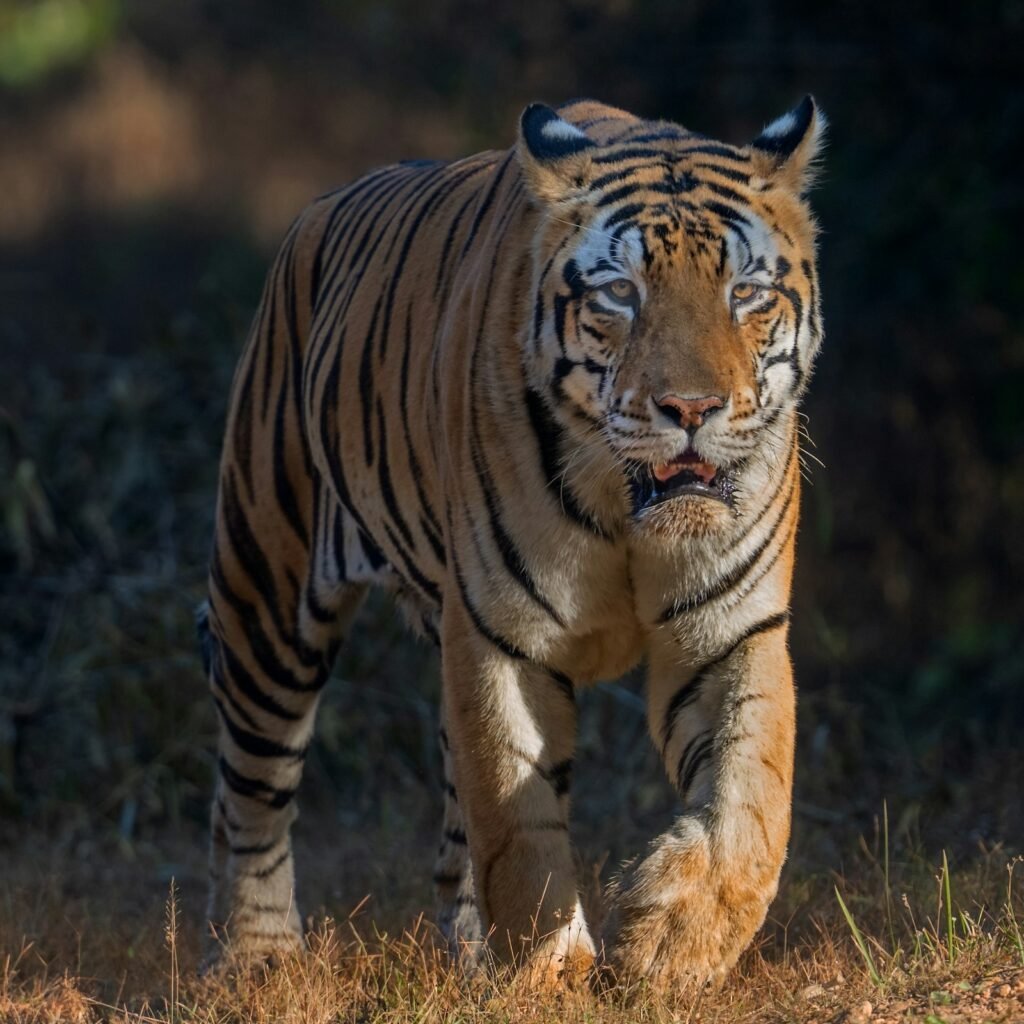
Tadoba-Andhari, Maharashtra - Tigers of the Dry Forest
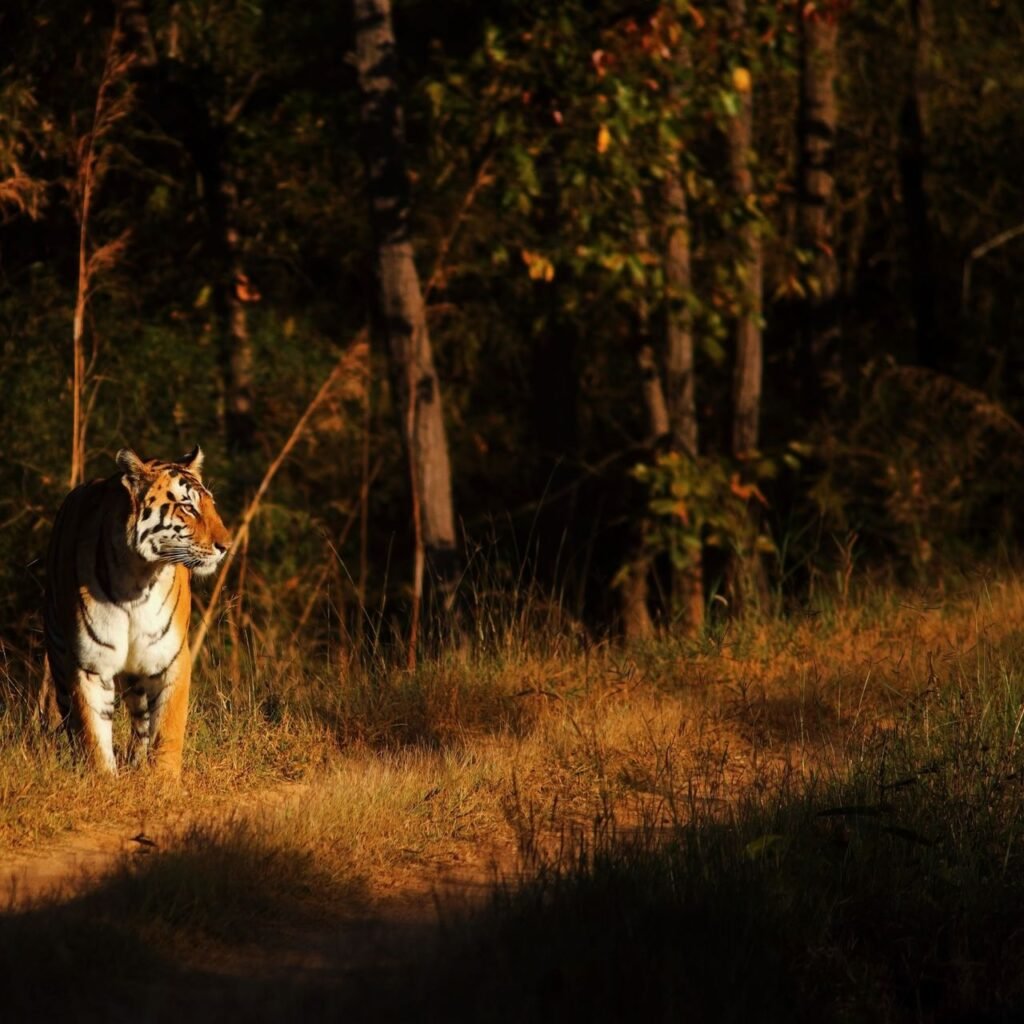
Deep in Maharashtra’s teak and bamboo forests of Tadoba-Andhari Tiger Reserve, wildlife often makes its presence felt before it is seen. The first clues are distant alarm calls, fresh tracks or movement in the undergrowth.
Bengal tigers move between shaded trails, grasslands and forest waterholes. As the dry season intensifies, shrinking water sources draw wildlife into the open, creating opportunities to encounter these powerful predators.
Gaur, spotted deer, wild dogs and sloth bears share the forest, but it is the possibility of a tiger emerging from the undergrowth that gives Tadoba its unmistakable sense of anticipation.
Hemis & Ulley, Ladakh - Tracking the Ghost of the Mountains
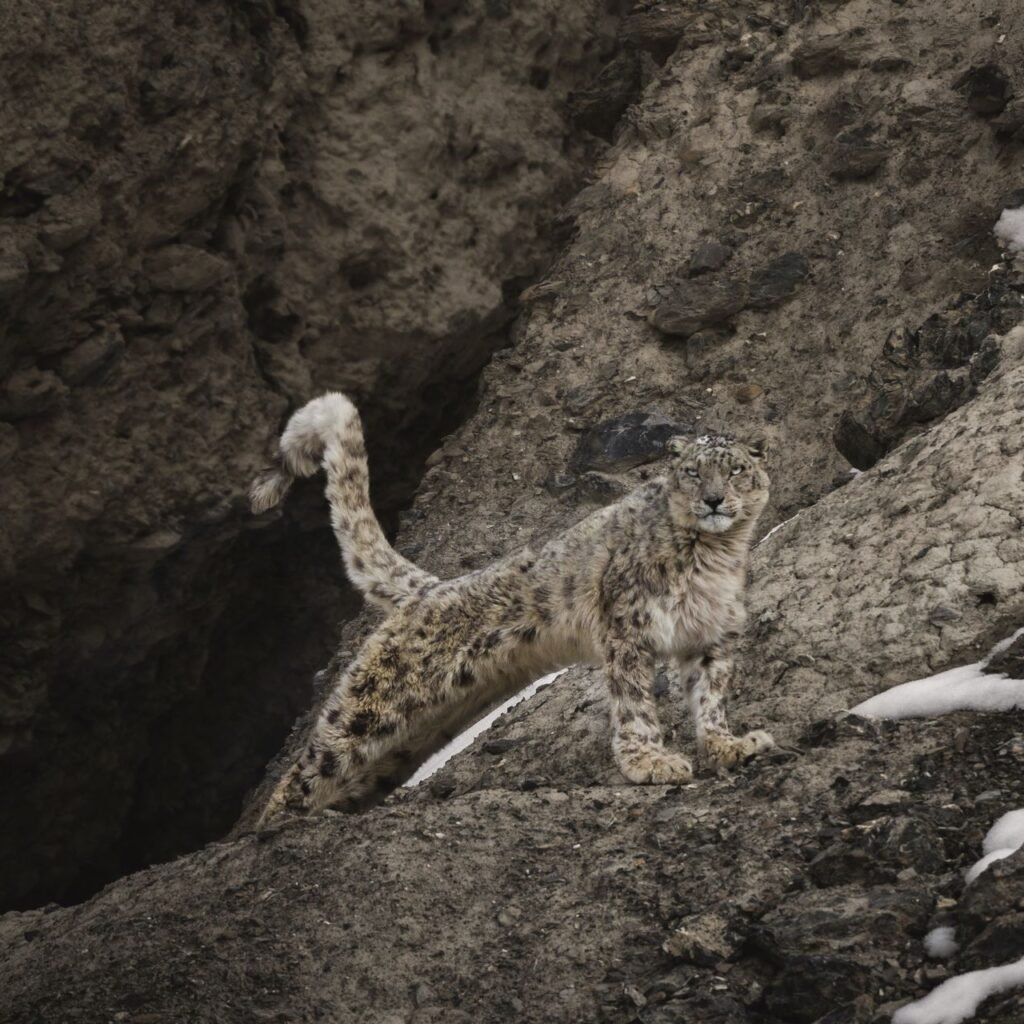
In the mountains of Ladakh, the Snow Leopard is almost perfectly adapted to disappear. Its pale, spotted coat blends into the broken rock, and even when the animal is in plain sight, finding it can demand extraordinary patience.
Beyond the snow leopard, across Hemis’ rugged valleys, Blue Sheep, Himalayan Ibex, Tibetan wolves and Red Foxes roam beneath soaring Golden eagles and Griffin Vultures.
Winter Snow Leopard expeditions around Hemis and Ulley follow signs of movement across frozen valleys and exposed ridgelines, often requiring hours of patient observation. Few wildlife encounters demand as much perseverance — or take place in a landscape quite so extraordinary.
Kaziranga, Assam - The Rhinoceros Kingdom
The floodplains of the Brahmaputra are among India’s most extraordinary wildlife landscapes. Tall elephant grass stretches across the plains, interrupted by shallow wetlands, forest patches and seasonal channels.
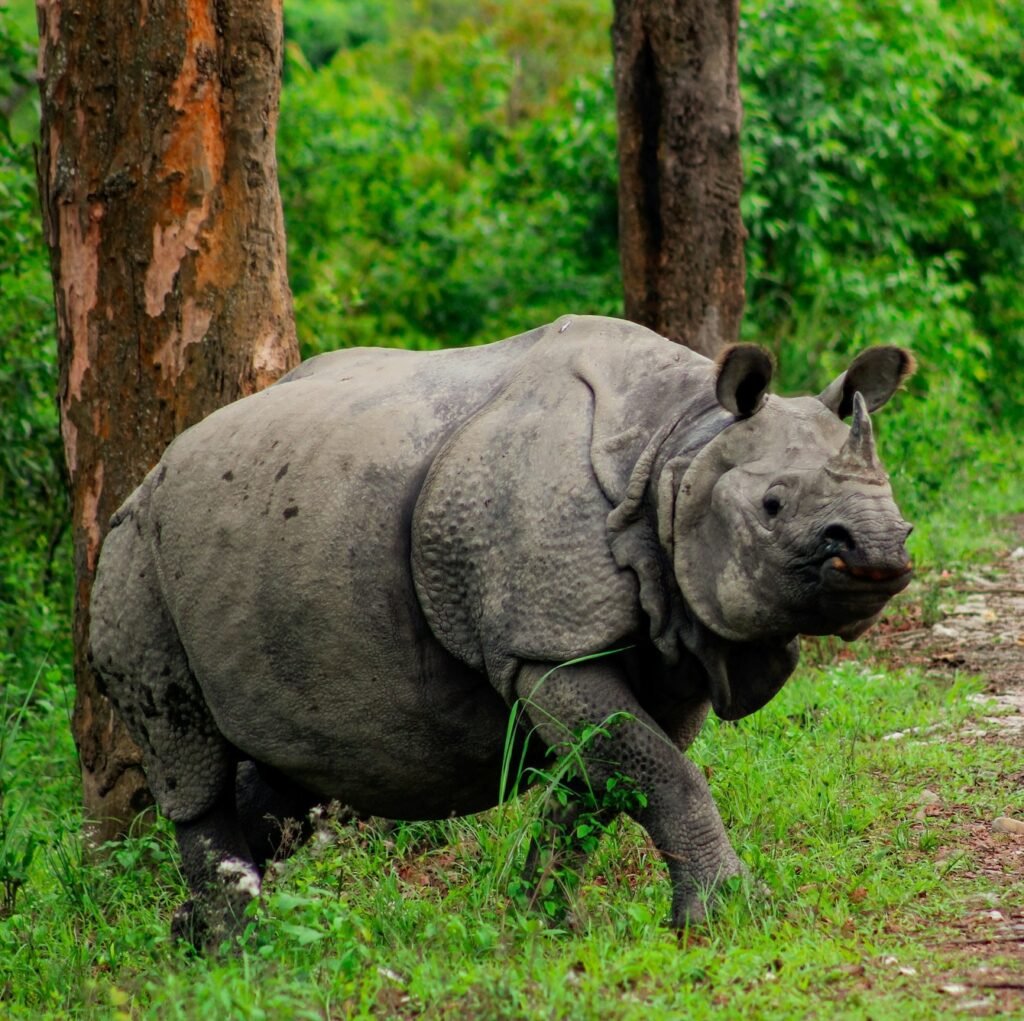
Moving through this landscape is the Greater One-Horned Rhinoceros, its armour-like folds contrasting with the tall, swaying grasses. Nearby, wild water buffalo graze, elephants cross open grasslands and waterbirds gather around the marshes.
Shaped by the seasonal flooding of the Brahmaputra, Kaziranga is one of India’s great conservation landscapes — a place where the rhinoceros still dominates the grasslands.
Kabini, Karnataka - Where Elephants Gather by the Water
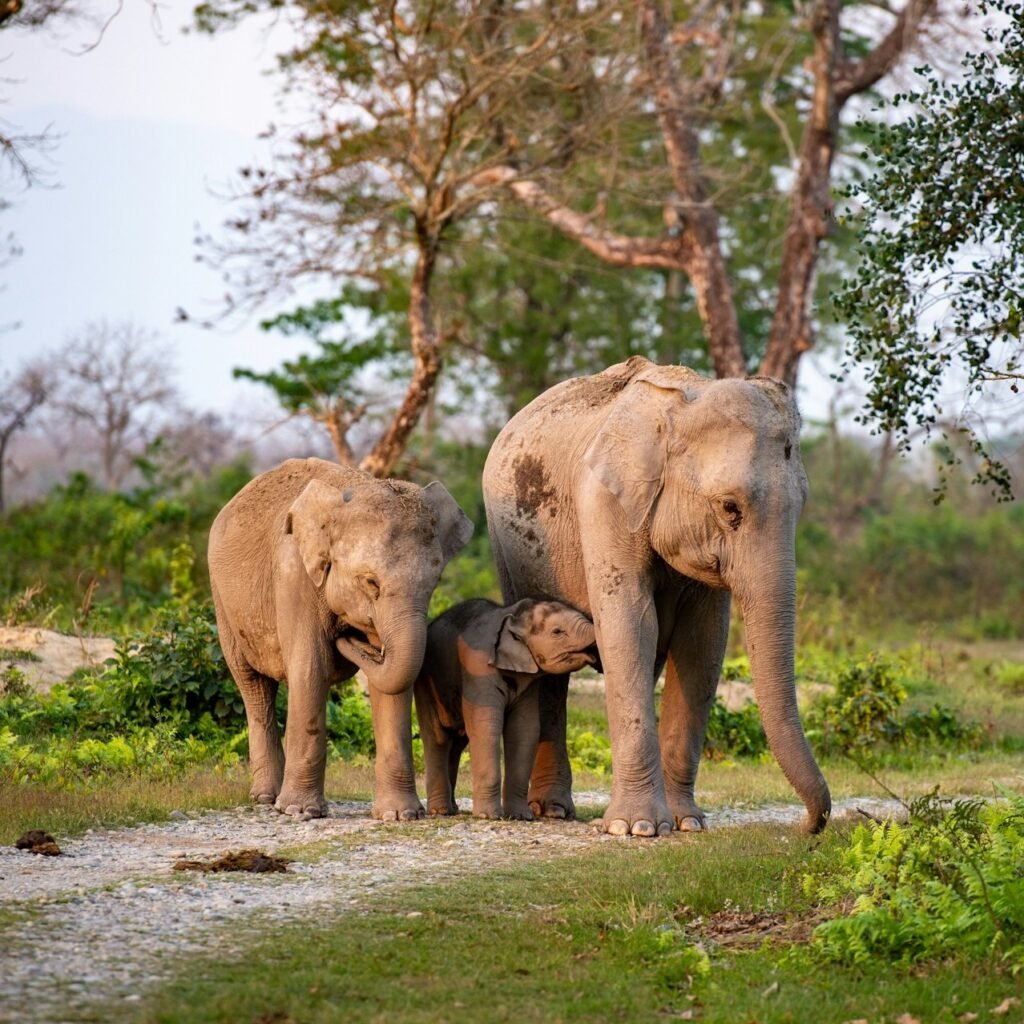
Along the Kabini backwaters, the forest gives way to open banks, where herds of Asian elephants emerge to feed, drink and gather.
Calves follow their mothers through the shallows, while larger bulls move between the herds. Few sights capture the character of southern India’s forests as powerfully as a herd of wild elephants moving together.
Deeper into Nagarhole, Gaur graze in forest clearings, Sambar Deer slip through the undergrowth and packs of wild dogs patrol the trails. Tigers and leopards move through the dense woodland, while kingfishers dart across the water and herons stalk the shallows.
Singalila, West Bengal - In Search of the Red Panda
High along the eastern Himalayan ridge, Red Pandas inhabit mist covered forests of bamboo, oak and rhododendron.
Their rust-coloured coats blend into moss-covered branches, making them extraordinarily difficult to find among the dense vegetation. Often concealed high in the canopy, these solitary animals move quietly through a world of leaves and bamboo.
The search leads through Singalila’s misty Himalayan forests, which also shelter Himalayan black bears, elusive clouded leopards and yellow-throated martens, while colourful pheasants move through the dense undergrowth.

Jawai, Rajasthan - Leopards Among the Granite Hills
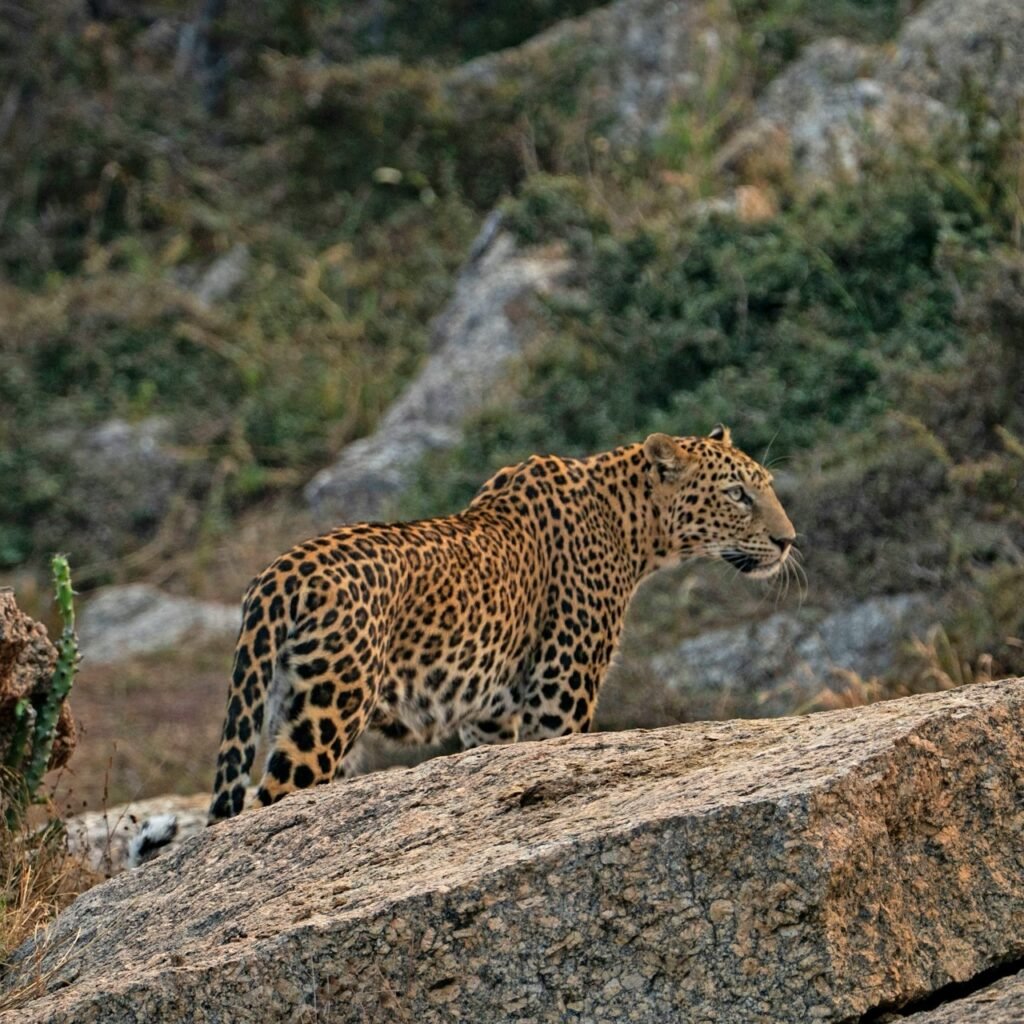
Across the granite hills of Jawai, Leopards occupy a landscape that looks very different from a conventional protected forest.
Enormous weathered boulders rise above scrubland, village settlements and grazing fields. Caves and rocky ledges provide shelter for leopards, while the surrounding landscape is used by local pastoral communities, including the Rabari, and their livestock, creating an unusual story of coexistence.
Beyond the Leopards, Striped Hyenas and Nilgai roam the rocky scrubland, while Mugger Crocodiles bask along Jawai Dam, where Flamingos and other migratory birds gather during winter.
Ranthambore, Rajasthan - Tigers Among Ancient Ruins
Few wildlife destinations combine nature and history quite like the Ranthambore National Park. Ancient stone walls rise above dry forested valleys, lakes reflect the surrounding cliffs, and the ruins of Ranthambore Fort form an extraordinary backdrop to the lives of wild animals.
Mugger Crocodiles rest along the water’s edge, deer graze beneath enormous banyan trees, while birds of prey circle above the ancient ruins.
A tiger crossing an open clearing or moving past the remains of an old hunting lodge creates one of India’s most distinctive wildlife scenes, where the forest seems to have reclaimed the kingdom that once stood within it.
Daroji, Karnataka — The Bears Among Hampi's Boulders
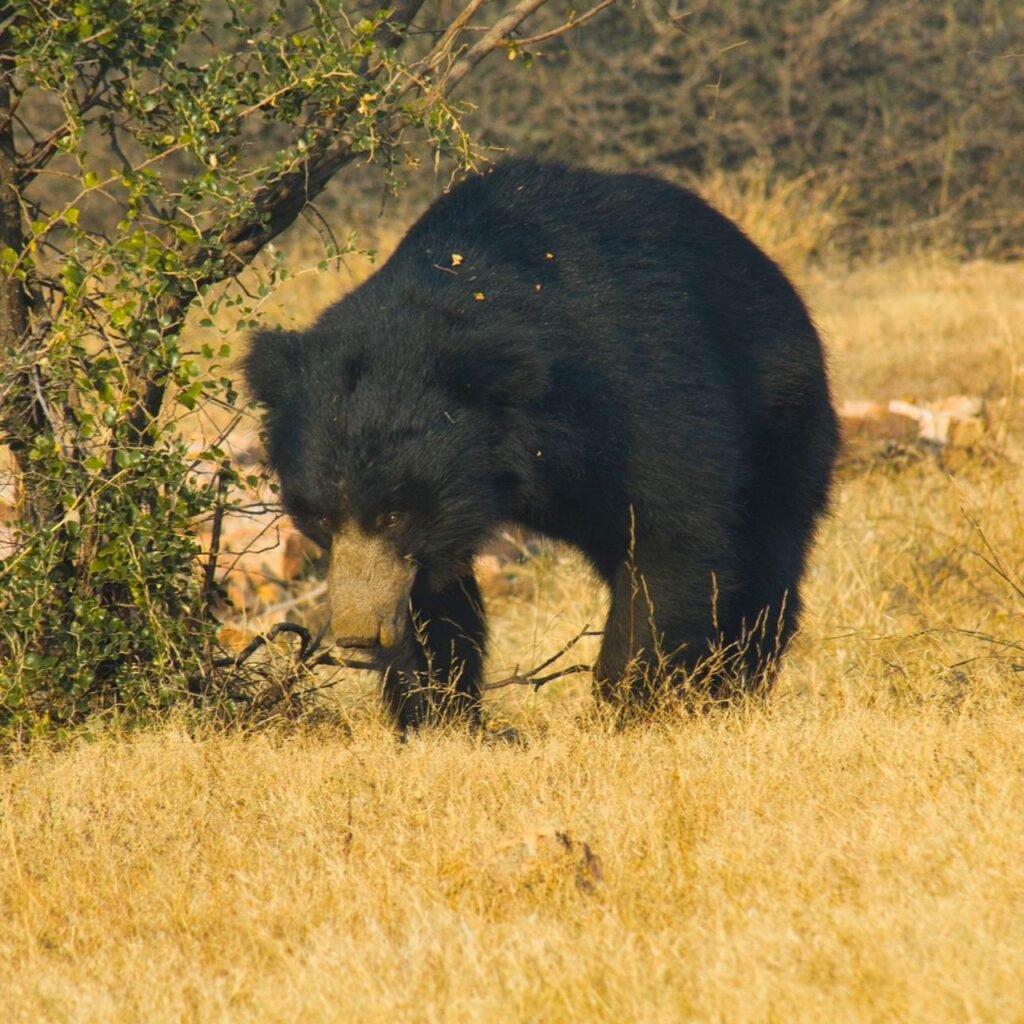
Not far from Hampi’s ancient ruins lies a landscape of scattered granite boulders, thorny scrub and hidden caves. This is Sloth Bear country.
At Daroji Sloth Bear Sanctuary, patient observation from designated viewing areas offers the chance to watch these shaggy bears moving through a rugged landscape that feels far removed from India’s better-known tiger reserves.
Beyond the bears, Daroji’s scrubland shelters elusive leopards, hyenas and porcupines, while painted spurfowl and peafowl move among the boulders and dry vegetation.
Sundarbans, West Bengal - The Tiger's Mangrove Kingdom
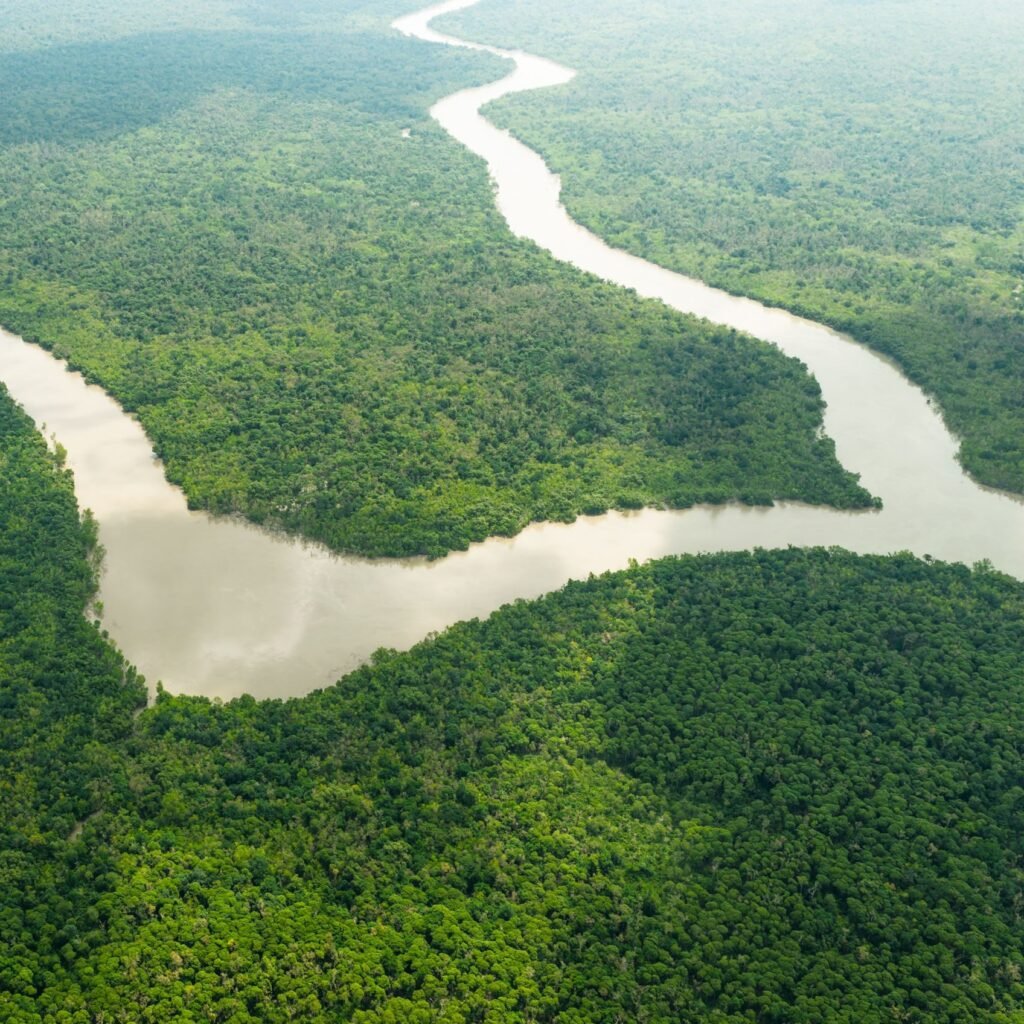
In the Sundarbans, land and water are constantly changing places. Tidal creeks cut through dense mangrove forests, and exposed mudbanks disappear beneath the rising water.
Saltwater crocodiles inhabit the waterways, spotted deer move along the forest edges and tangled mangrove roots rise from the mud. Somewhere within this shifting landscape lives the Bengal Tiger, adapted to a world governed by the tides.
Tiger sightings are exceptionally rare, but travelling through these waterways reveals an extraordinary ecosystem where wildlife thrives between forest and sea.
Keoladeo, Rajasthan - The World of Migratory Birds
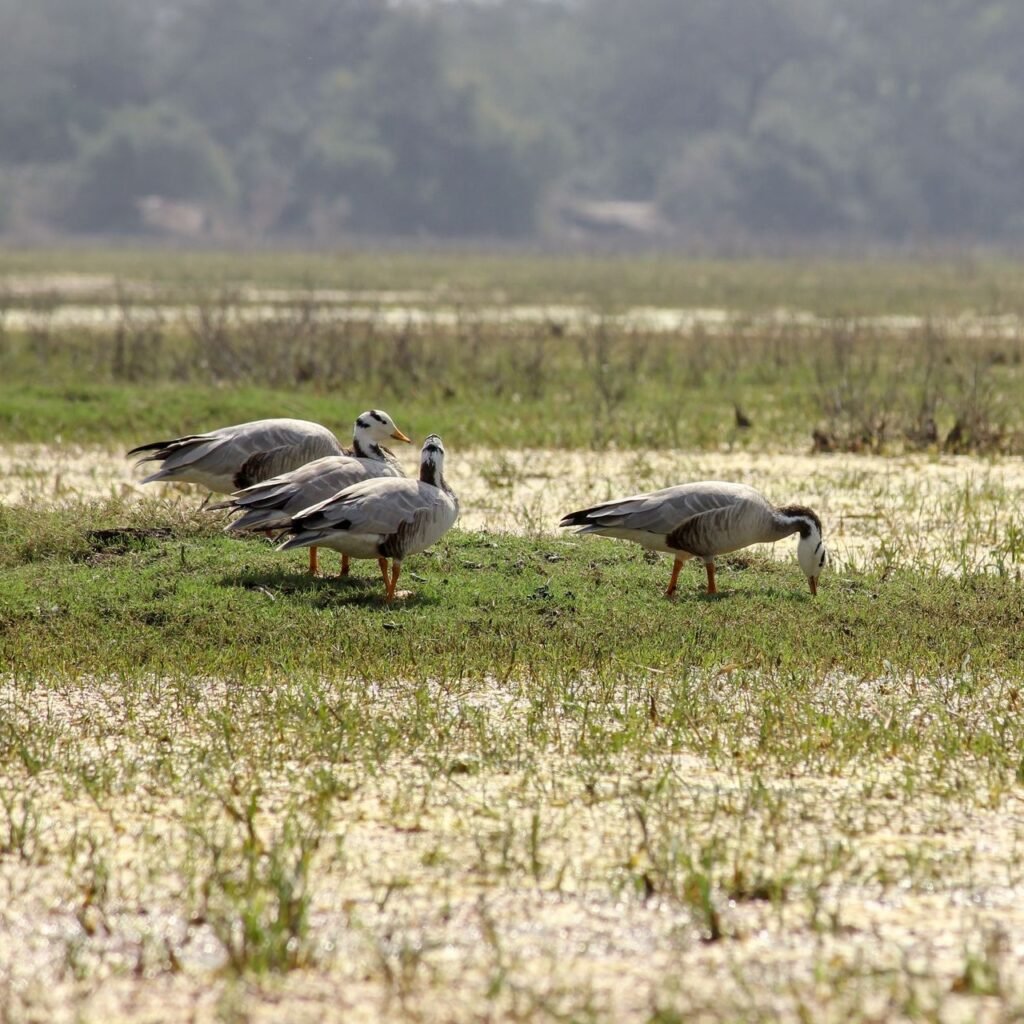
Every winter, the wetlands of Keoladeo become part of a much larger journey, welcoming thousands of birds arriving from distant breeding grounds.
Ducks and Geese gather across shallow wetlands, Herons and Storks move through flooded grasslands, and birds of prey watch from the trees above. Among them, resident species such as Painted Storks and Sarus Cranes add to the remarkable diversity of this compact reserve.
Explored slowly on foot or by bicycle, Keoladeo reveals a quieter kind of wildlife encounter, where the spectacle comes from the sheer abundance of life.
National Chambal Sanctuary - Life Along the River
The Chambal River reveals a quieter side of India’s wildlife, winding between sandy banks, steep ravines and long stretches of open water.
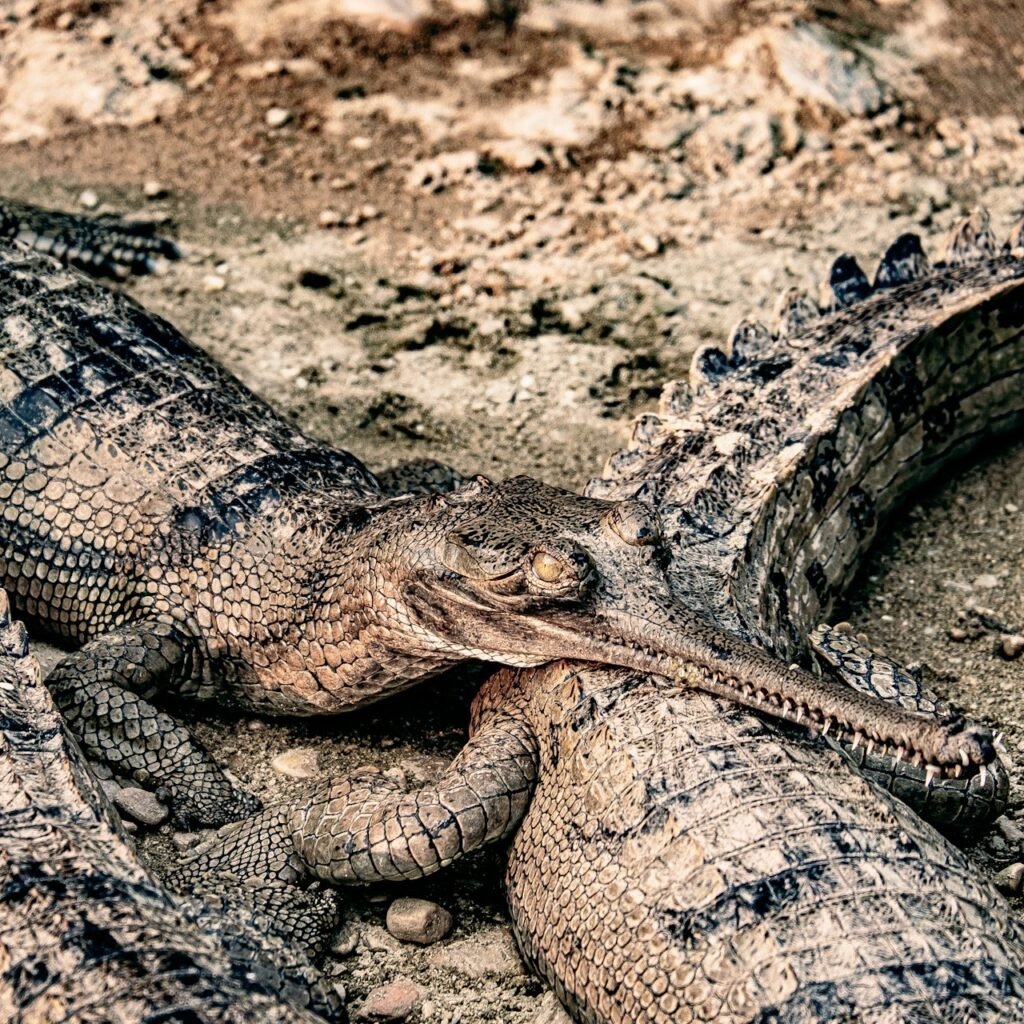
Among its most remarkable inhabitants is the Gharial, a critically endangered crocodilian recognised by its long, narrow snout. These specialised fish-eaters are often seen resting on exposed sandbanks, sometimes alongside Mugger Crocodiles and Freshwater Turtles.
In deeper channels, the endangered Ganges River Dolphins may briefly break the surface, while Indian skimmers and other waterbirds gather along the shallows. A boat safari here is less about dramatic sightings and more about observing an intricate river ecosystem.
When Is the Best Time for Wildlife Experiences in India?
India’s wildlife calendar changes dramatically between regions and habitats. There is no single season that is best for every wildlife experience.
Winter (November–February) brings comfortable conditions to many national parks and wetlands. It is particularly rewarding for migratory birds at Keoladeo, river wildlife along the Chambal and safaris across Rajasthan and Assam.
Late Winter and Summer (February–May) can be especially productive in dry forest landscapes such as Tadoba and Kabini. As temperatures rise and water becomes less widely available, animals may spend more time around reliable water sources. The trade-off is increasingly intense heat.
Spring and autumn are generally suitable for specialist red panda expeditions in the Eastern Himalaya, while deep winter (January–March) is the traditional period for snow leopard tracking in Ladakh.
The Monsoon transforms India’s forests and floodplains, but it also brings seasonal closures and access restrictions to many wildlife reserves. Always check the operating dates of the particular park, safari zone or expedition before making plans.
Wildlife Encounters Worth Protecting
The privilege of observing wild animals comes with responsibility. A responsible wildlife experience should respect protected-area regulations, avoid chasing or crowding animals and never encourage visitors to touch or feed wildlife. For specialist expeditions, experienced local guides and suitable viewing distances are essential.
Sightings are never guaranteed. The most rewarding wildlife journeys leave enough time to observe the habitat and the animals that make it function, rather than measuring success by a single sighting.