Spring
Mar-MayRhododendron forests; good views with snow possible higher up.
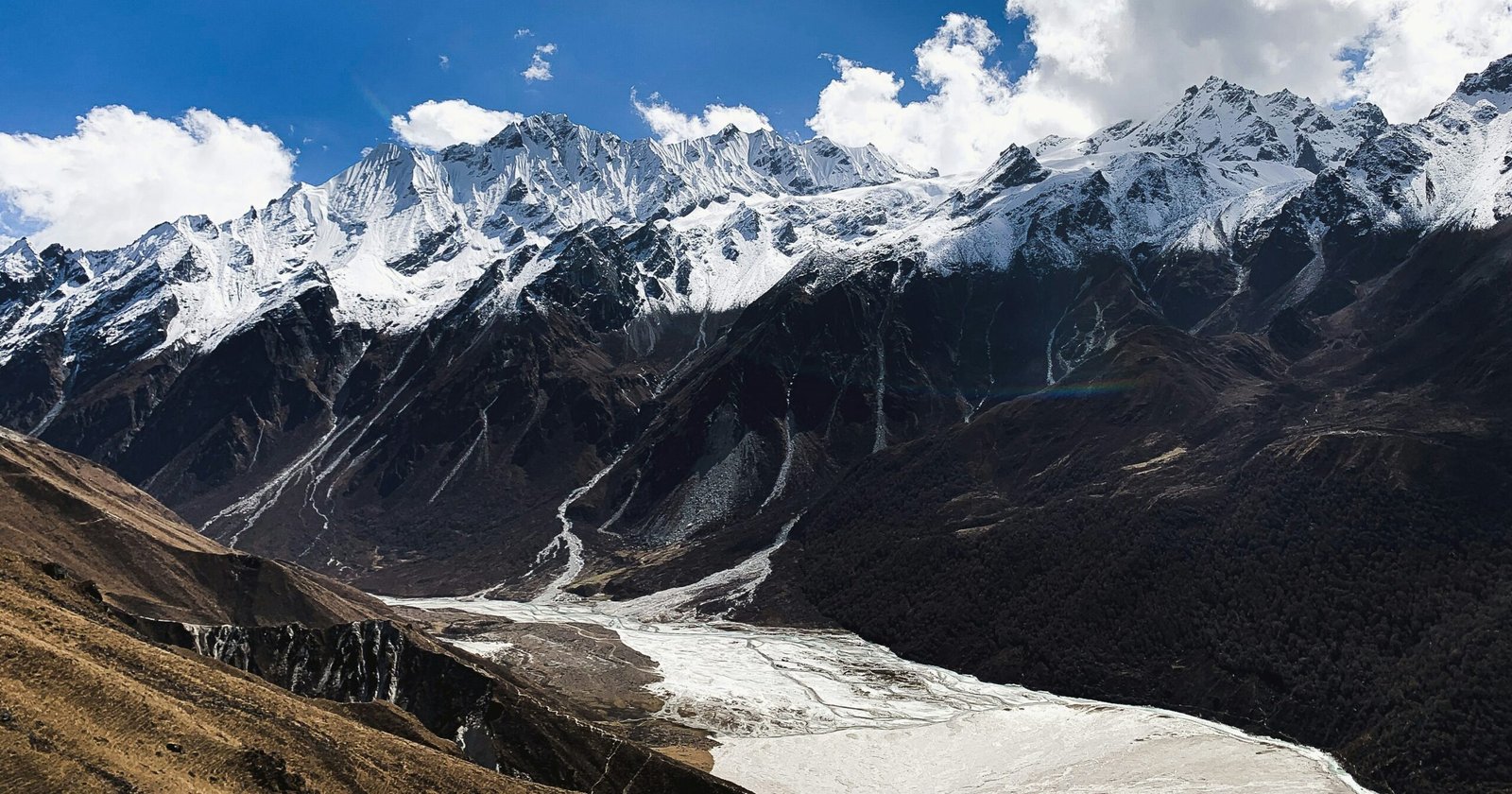
Trek through forests and traditional Tamang villages into a spectacular glacial valley beneath the Langtang Himal, finishing at Kyanjin Gompa with optional climbs to nearly 5,000-metre viewpoints.
The Langtang Valley Trek follows a deep Himalayan valley north of Kathmandu. Bamboo and rhododendron forests gradually give way to traditional Tamang villages, yak pastures and towering snow-covered peaks. As the trail climbs, the enclosed lower valley opens into the alpine landscape of the high Himalaya.
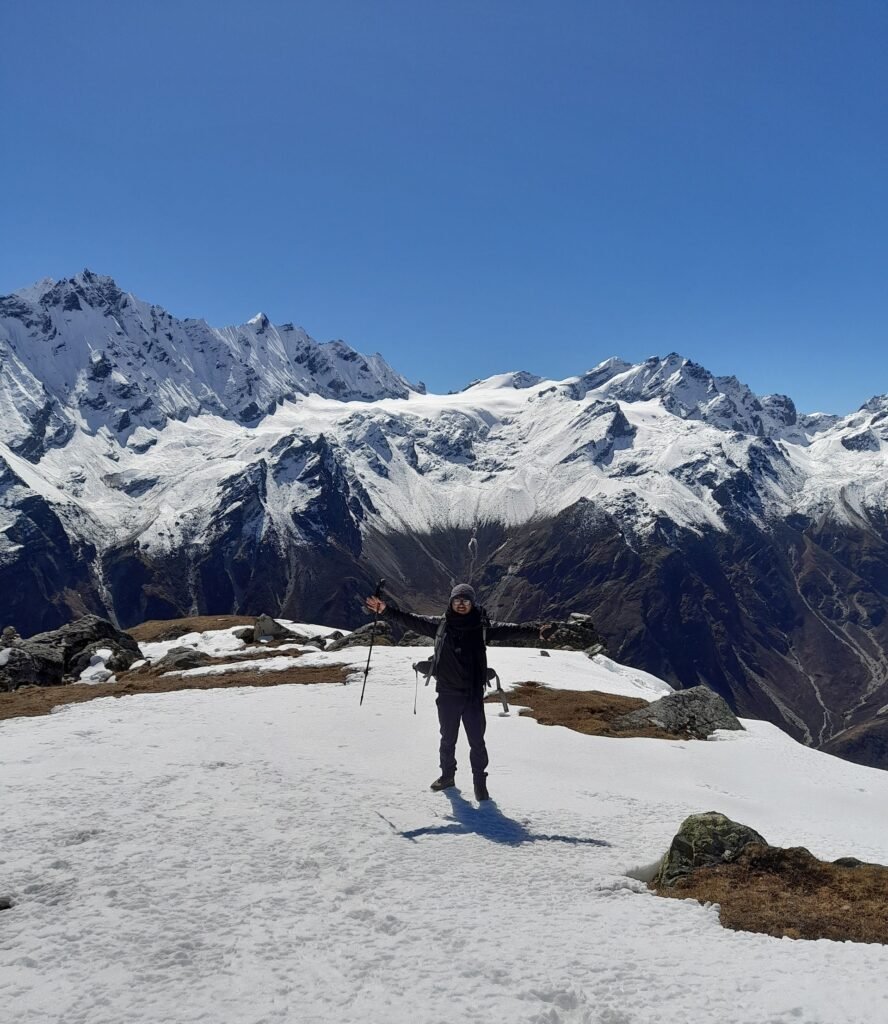
Beyond Langtang Village, the valley broadens and the mountains draw closer on the approach to Kyanjin Gompa, a small settlement framed by glaciers and high ridges. From here, climbs to Kyanjin Ri or Tserko Ri offer sweeping views of Langtang Lirung and the surrounding peaks.
What makes Langtang special is how much of the Himalaya it reveals in a relatively short journey. Its changing landscapes, traditional Tamang villages and remarkable closeness to the mountains give the trek a character all its own.
Exploring other options? See how the Langtang Valley trek compares in our guide to choosing the right trek in Nepal.
A compact route with rewarding high-altitude side hikes.
Steep climbs, altitude and busy Kyanjin trails in peak season.
Enter Langtang National Park and follow the river through bamboo and rhododendron forest climbing from roughly 1,500 m to around 2,500 m.
Continue through the forest toward Ghoda Tabela before the valley begins to open dramatically.
A shorter day allows more time for acclimatisation. The terrain becomes increasingly alpine as you approach Kyanjin Gompa.
This is the major optional summit/viewpoint day. You can either trek to Tserko Ri (4984 m), recommended option for fit, well-acclimatised trekkers, or to Kyanjin Ri (4773 m), which is the easier alternative.
Retrace the valley, descending through Langtang Village and forest.
Continue descending along the Langtang Khola. Stay in Syabrubesi or begin the return journey depending on transport.
Rhododendron forests; good views with snow possible higher up.
Wet trails, cloudier views and increased landslide risk.
September transitions from monsoon; October–November are clearer.
Cold and often clear; snow can limit higher side trips.
Check current snow and trail conditions above Kyanjin Gompa.
Explore the places, culture and local flavours that make the destination memorable.
Traditional Himalayan cheesemaking at a high-altitude dairy established with Swiss assistance.
Buddhist stone carvings and traditional water-powered prayer wheels along the valley trail.
The memorial honouring those lost in the devastating 2015 earthquake and avalanche.
Locally produced Himalayan cheese with a rich, slightly tangy flavour.
Soft mashed-potato dumplings served in a warming, spiced broth.
A distinctive, tangy drink made from bright orange Himalayan berries.
Langtang Valley gains altitude quickly from Syabrubesi to Kyanjin Gompa, so pace yourself and keep the high viewpoint climb for after a night at Kyanjin. Expect cold conditions above 3,500 m and rapidly changing mountain weather. Carry appropriate travel insurance covering high-altitude trekking and emergency evacuation.
Current permits and trekking regulations may change. Always verify before booking.