
Which Trek in Nepal Is Right for You? 9 Himalayan Routes Compared
Nepal has no shortage of famous treks. The harder question is deciding which one actually suits you. The Everest Base Camp Trek may be the obvious choice for most people, but perhaps you only have a week to explore. Maybe you want quieter trails, more culture, less altitude, or a journey that feels remote from Nepal’s busiest trekking corridors.
Everest Base Camp Trek
For – The Classic Himalayan Experience
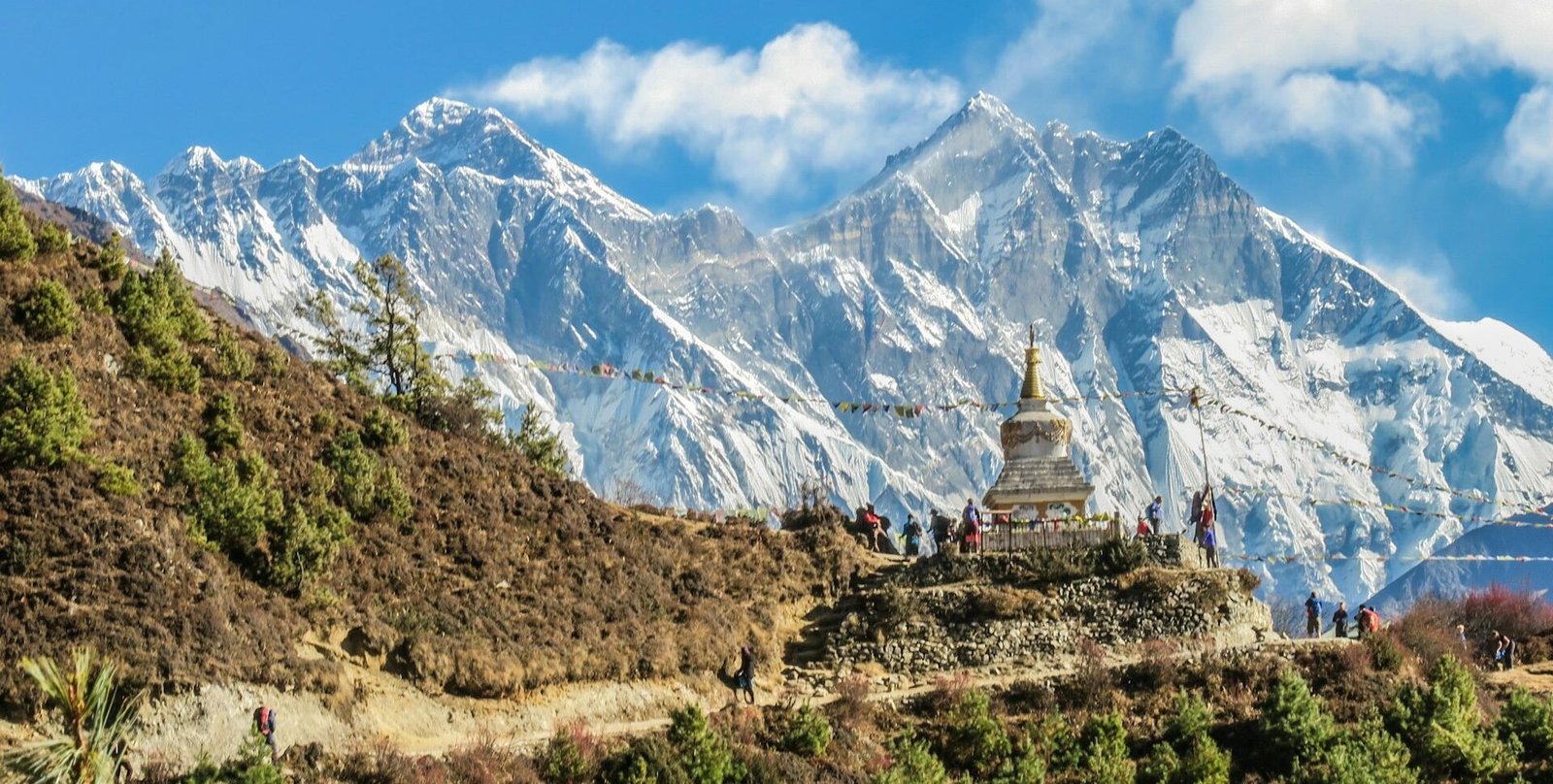
Very few journeys in life carry the sense of anticipation that surrounds the walk to Everest Base Camp. The trail climbs from Lukla through forest and villages to Namche Bazaar, before opening into the high Khumbu beneath Ama Dablam and the glaciers beyond Tengboche.
Base Camp is only part of the experience. The real appeal lies in the journey itself — monasteries, suspension bridges, yak trains and mountain settlements set beneath some of the most recognisable summits on Earth.
See our complete Everest Base Camp Trek guide for the route, best time to go and practical planning details.
Manaslu Circuit
For – Experienced Trekkers looking beyond the popular trails
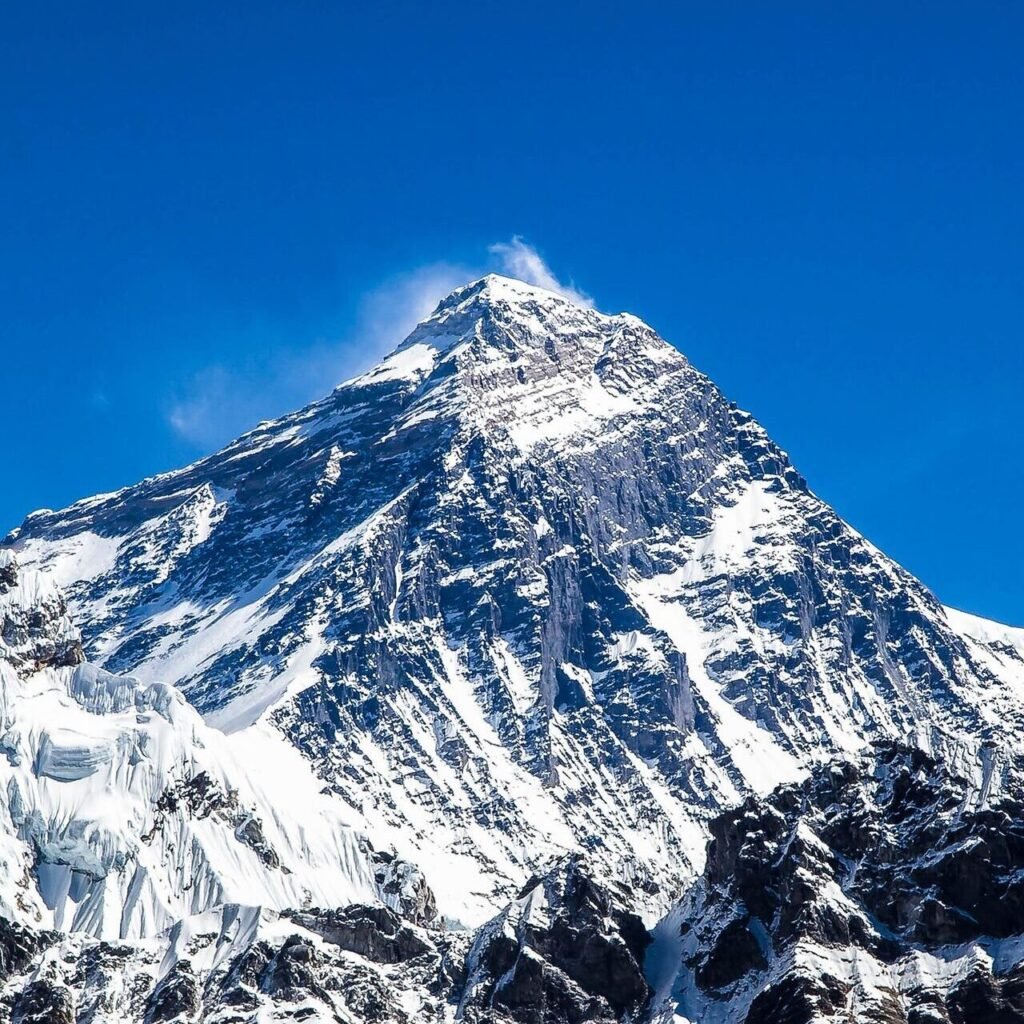
The Manaslu Circuit feels noticeably more remote than Nepal’s classic trekking routes, with quieter trails, smaller settlements and a stronger sense of journey into the high Himalaya.
The trail follows the Budhi Gandaki through a deep valley before gradually entering a higher, more Tibetan-influenced landscape. Villages become smaller, monasteries and mani walls appear along the trail and Manaslu begins to dominate the skyline. The defining moment is the crossing of Larkya La, after which the route descends towards the Annapurna side of the Himalayas.
See our complete Manaslu Circuit Trek guide for the route, best time to go and practical planning details.
Langtang Valley Trek
For – A Short Himalayan Journey close to Kathmandu
The Langtang Valley offers something increasingly rare in Nepal. A quieter path into the high Himalaya, close to Kathmandu but noticeably less crowded than Everest and Annapurna.
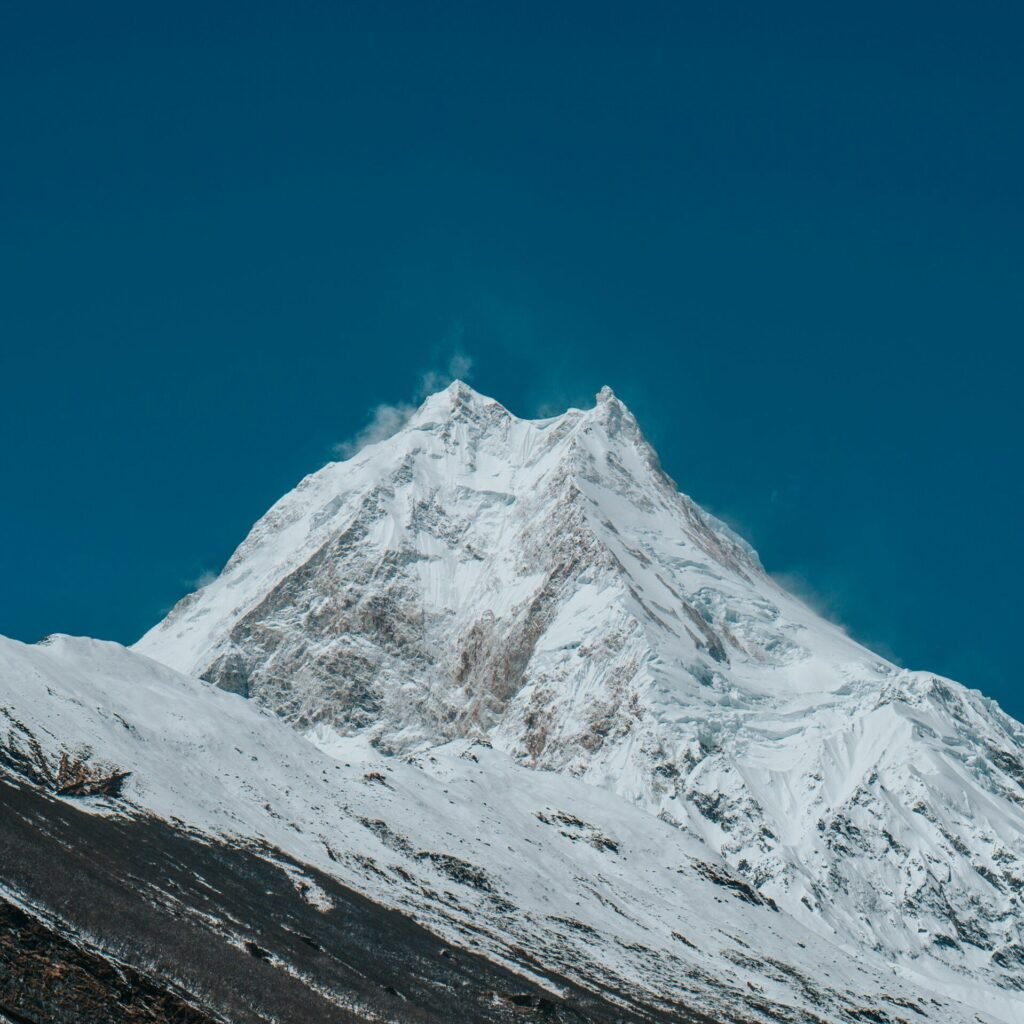
The trail quickly enters a landscape of forest, rivers, steep mountain walls and Tamang settlements. Higher up, the valley broadens towards Kyanjin, surrounded by glaciers and peaks dominated by Langtang Lirung. For travellers with a week or slightly more, Langtang Valley may be one of Nepal’s most complete treks.
See our complete Langtang Valley Trek guide for the route, best time to go and practical planning details.
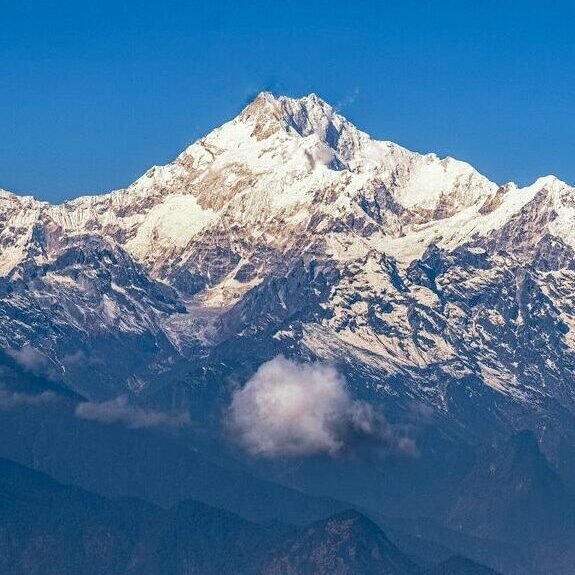
Khangchendzonga Base Camp Trek
For – Experienced trekkers seeking one of Nepal’s wildest routes
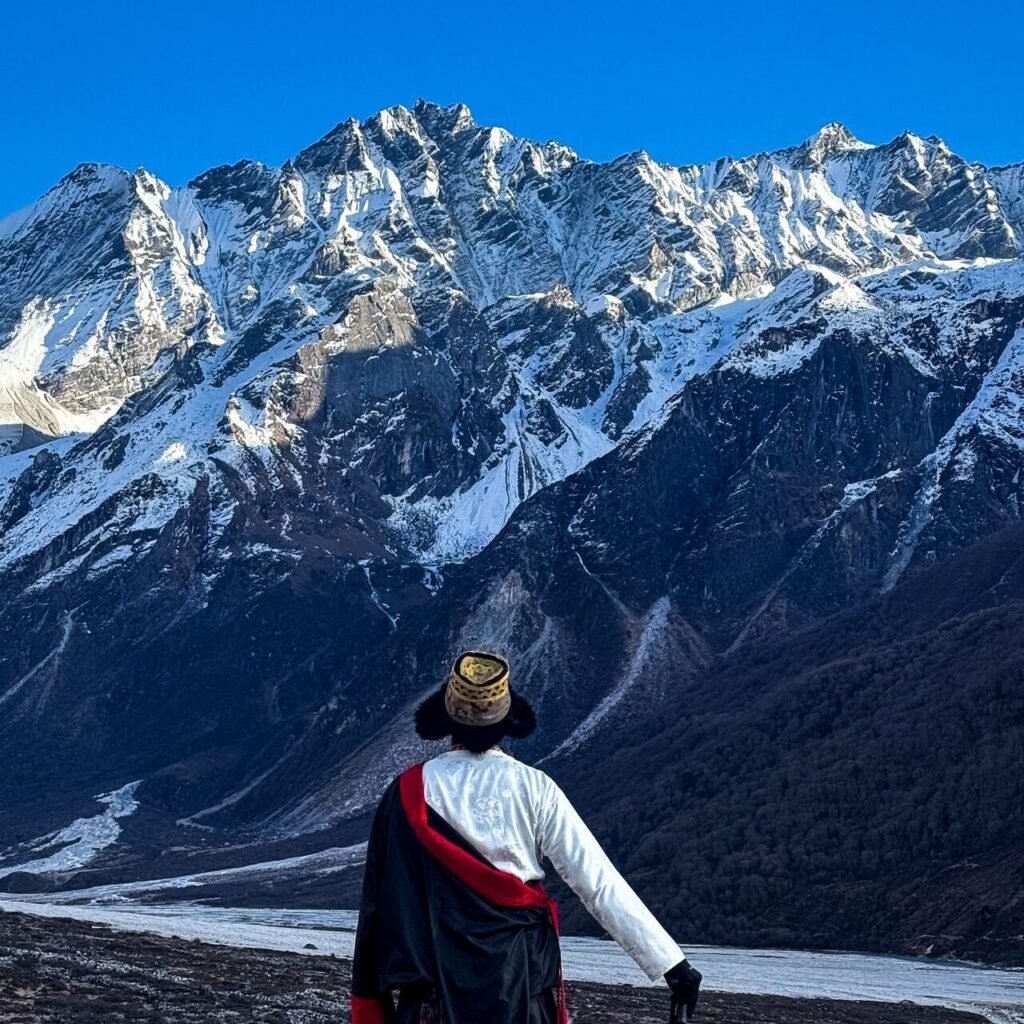
Far from Nepal’s busiest trekking corridors, Khangchendzonga feels like stepping into a different Himalaya. Quieter, wilder and increasingly remote with every day on the trail.
The journey passes through forests, river valleys and remote settlements before reaching the high country beneath Khangchendzonga. Khangchendzonga Conservation Area also protects an ecologically rich landscape associated with species including red panda, Himalayan black bear, blue sheep and snow leopard.
There are easier ways to see the Himalayas. There are few that feel quite as far removed from everything else.
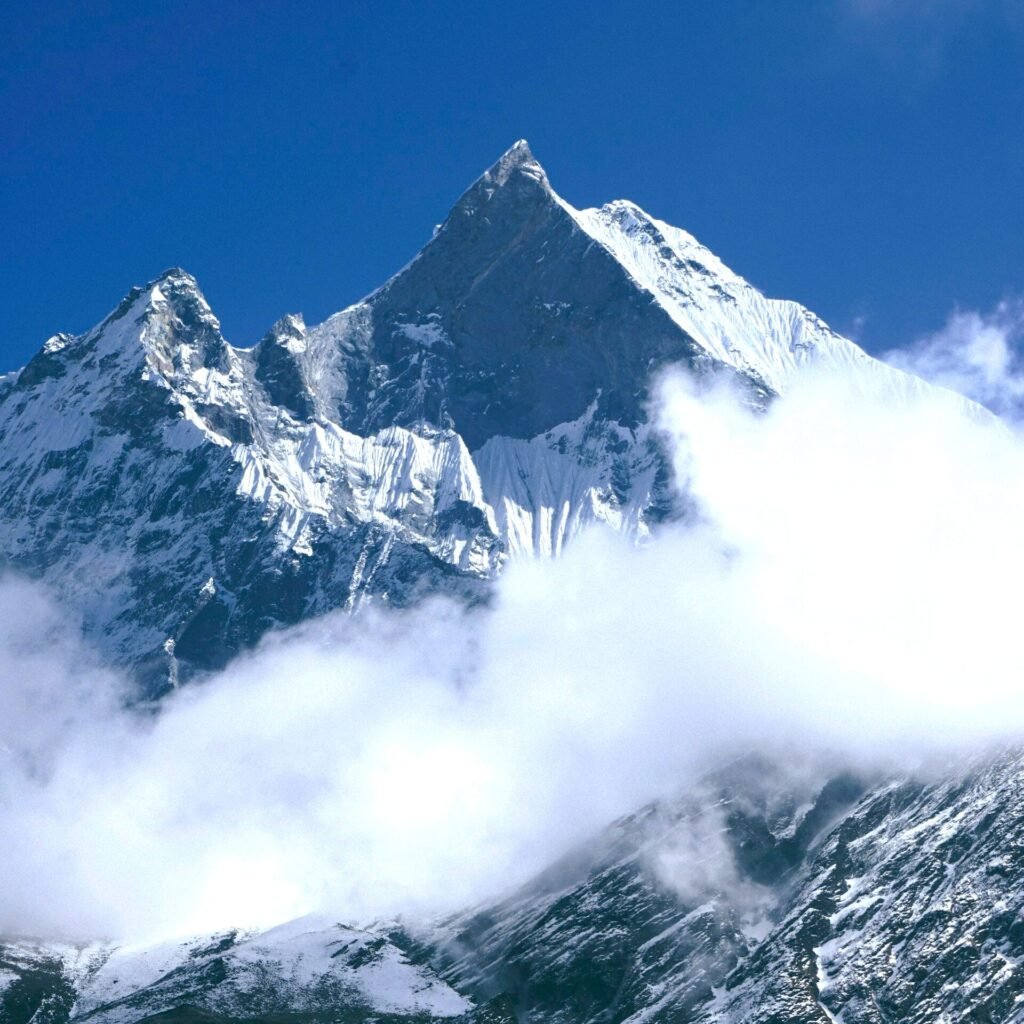
Annapurna Base Camp Trek
For – Dramatic scenery in a relatively compact itinerary
The Annapurna Base Camp Trek builds towards one of the most dramatic arrivals in Nepal, with every stage of the journey drawing you deeper into the mountains.
The trail moves through villages, terraces and rhododendron forest before the valley narrows towards the Annapurna Sanctuary. By the time you reach Base Camp at 4,130 metres, the mountains surround you almost completely. Annapurna I, Machhapuchhre, Hiunchuli and Annapurna South form one of the most dramatic natural amphitheatres in Nepal.
See our complete Annapurna Base Camp Trek guide for the route, best time to go and practical planning details.
Upper Mustang Trek
For – Culture, History and High Altitude Desert
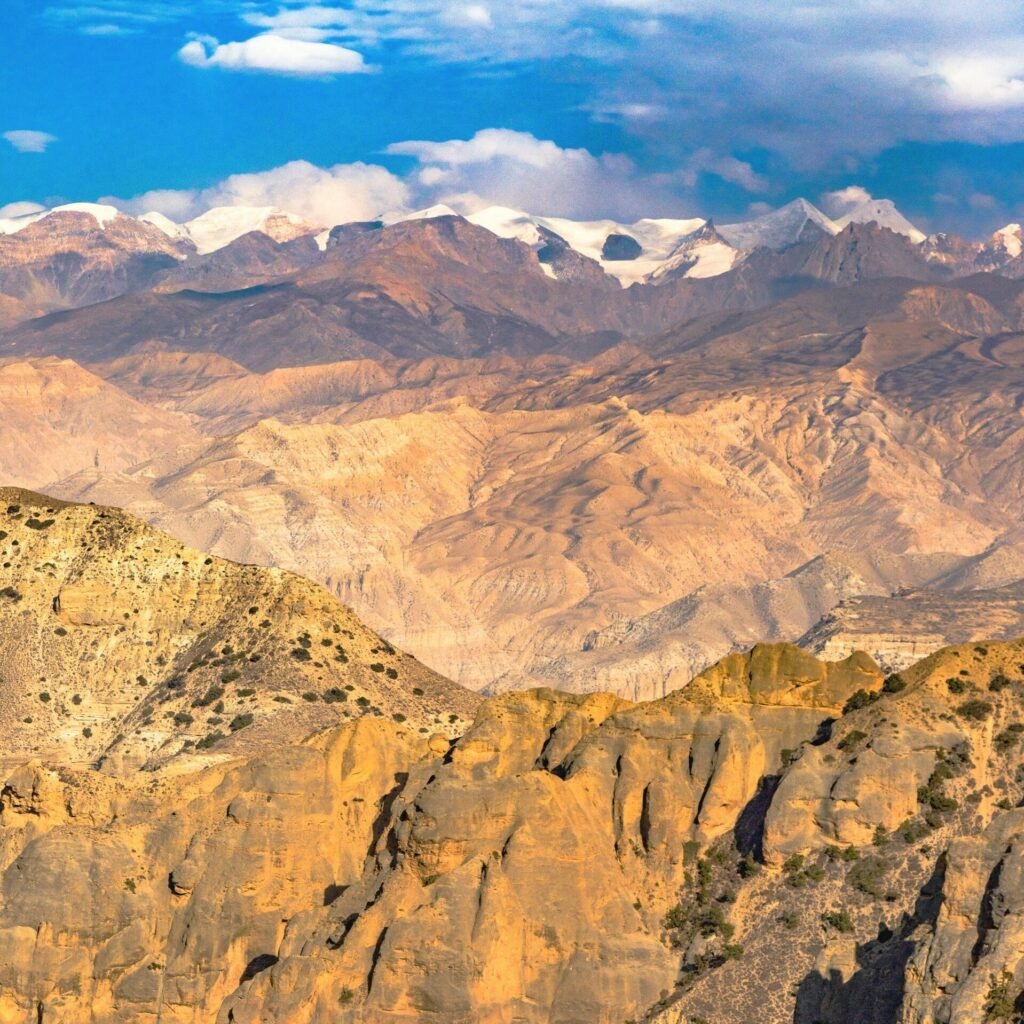
The Upper Mustang Trek feels unlike almost anywhere else in Nepal, trading green Himalayan valleys for a stark, windswept landscape shaped by the Tibetan plateau.
Mustang lies in the Himalayan rain shadow, giving it a climate and appearance closer to the Tibetan plateau than Nepal’s greener southern valleys. You’ll see eroded cliffs, dry valleys, cave complexes and villages built from earth and stone.
The colours shift between grey, ochre and red while the high Himalayas form a distant barrier to the south.
Makalu Base Camp Trek
For – Experienced trekkers seeking remote wilderness and solitude
The Makalu Base Camp Trek leads deep into one of Nepal’s wildest and least-travelled Himalayan regions.
The trail climbs through forest, remote valleys and high passes before entering the upper Barun Valley, where the landscape opens dramatically and Makalu begins to dominate the horizon.
It is a long, demanding journey, but one rewarded with genuine wilderness, immense mountain scenery and a powerful sense of isolation.
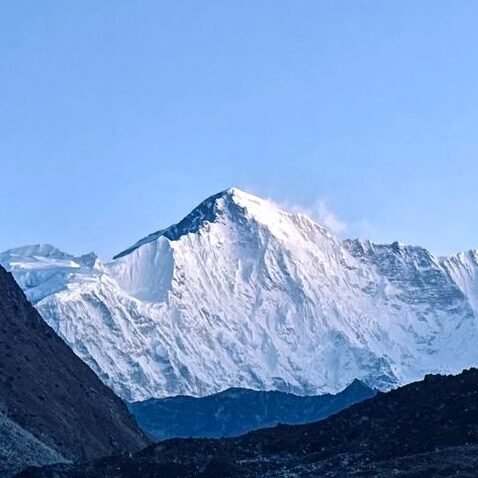
Khopra Ridge Trek
For – Trekkers looking for quieter trails and panoramic views
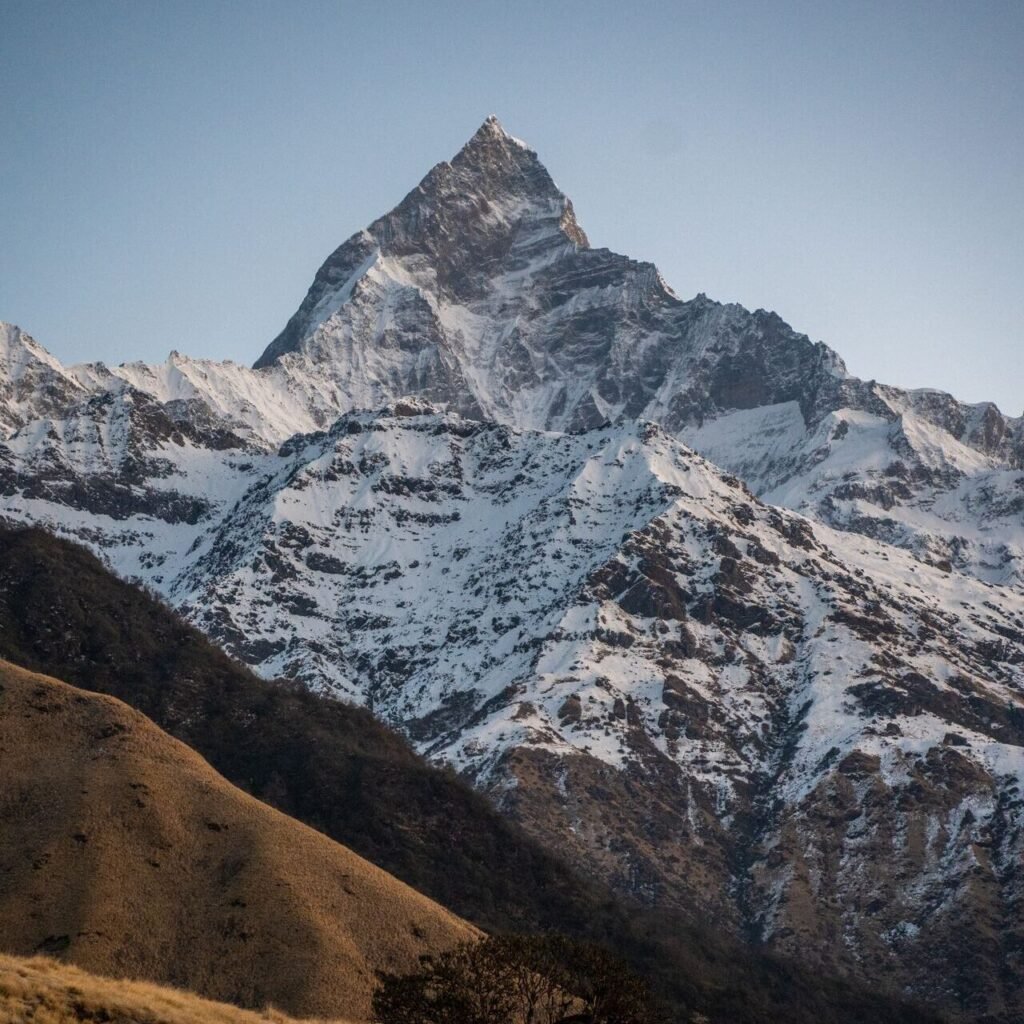
Khopra Ridge offers a quieter alternative to the better-known trails of the Annapurna region.
The route climbs through rhododendron forest and small mountain communities before reaching the open ridge at around 3,660 metres.
From here, the views stretch across Dhaulagiri, Annapurna South, Machhapuchhre and the wider Annapurna range, with far fewer trekkers than on the region’s busiest routes.
Gokyo Valley Trek
For – Trekkers seeking glacial lakes and panoramic Everest views
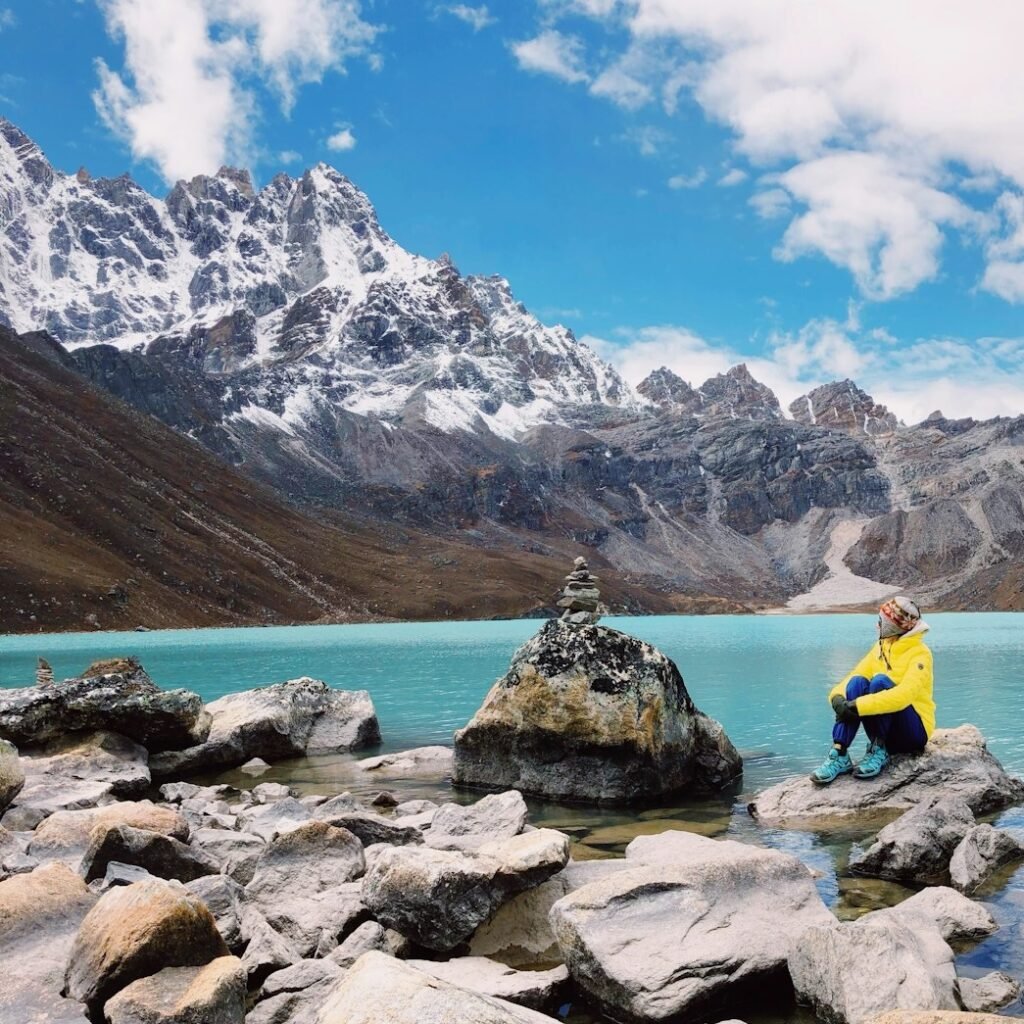
The Khumbu region has more to offer than the Everest Base Camp. West of the main trail lies one of Nepal’s most striking high-altitude landscapes.
The Gokyo Valley Trek heads towards a series of high-altitude lakes beside the Ngozumpa Glacier, eventually reaching the settlement of Gokyo. Above it rises Gokyo Ri, where the view stretches across Everest, Lhotse, Makalu and Cho Oyu.
The experience is less about a single landmark and more about the surrounding high-altitude landscape.
When Is the Best Time to Trek in Nepal?
For most major trekking regions, the main seasons are spring from March to May and autumn from late September to November. Autumn is popular for generally clearer mountain views, while spring brings warmer conditions and flowering rhododendrons at lower elevations.
Winter can be quieter but brings severe cold and snow to high routes. The summer monsoon affects much of the country, although areas in the Himalayan rain shadow — particularly Upper Mustang — can behave very differently. The better approach is to choose the trek first, then work out its best season.
Before You Go
Nepal’s trekking rules differ by region and can change. Some routes require conservation-area or national-park permits. Restricted regions such as Manaslu and Upper Mustang have additional regulations, while guide and trekking-registration requirements can also apply depending on the route. Do not rely on an old blog post for permit information.
Before travelling, check the current requirements with Nepal’s official tourism and immigration authorities or a properly registered trekking agency. The same applies to trail conditions. Landslides, snow, road construction and local closures can change how a trek works from one season to the next.